If there is one comic strip I remember from childhood, it is the one of Mafalda giving an aspirin to the globe after watching the news on TV. That image has stayed with me over the years; this summer, it has been present every morning.
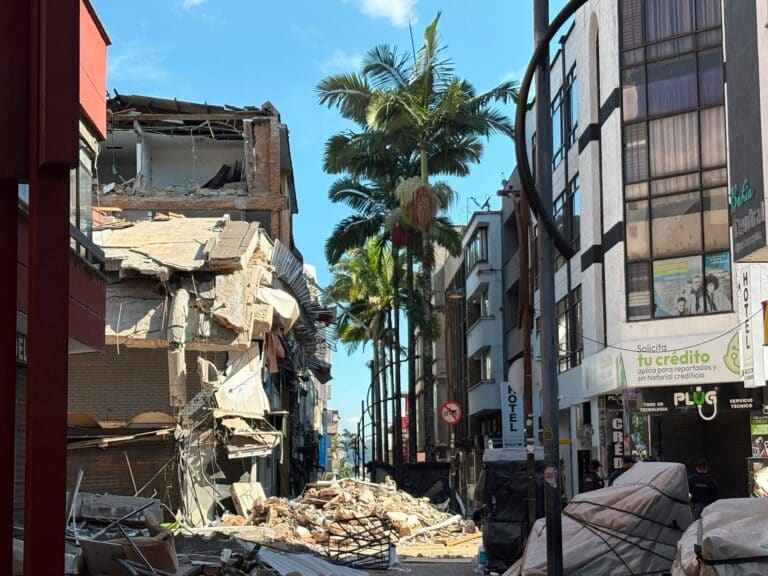
Several earthquakes have struck different countries, leaving thousands dead and many more without shelter, work, or the life they knew until then. In Nepal, a glacier collapsed, unleashing catastrophic floods. Wildfires have burned thousands of hectares. The world seems angry.
In the meantime, humans keep fighting each other in seemingly never-ending conflicts. The atmosphere of pre-war Europe can also be felt today. The far right’s unprecedented gains in Germany evoke an atmosphere reminiscent of Europe before the Second World War. In Spain, thousands of people took to the streets waving nationalistic flags and mobilising around far-right rhetoric against the “migrant invasion” in Ceuta. Attacks against migrants, and against those who help them, take place every day, within an impoverished society that is once again buying into the narrative of “the other,” the “invader” whom we must eradicate to solve all our economic and social problems.
And then, sometimes, I find myself wanting to give the globe an aspirin—although an aspirin can only palliate the symptoms, not address the causes.
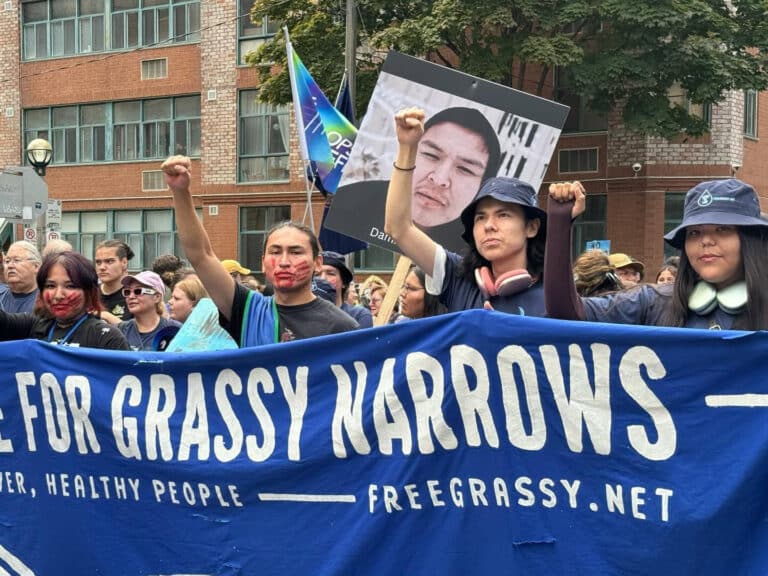
But then I read about the huge movement of solidarity that has also emerged in Ceuta: neighbours organising to host hundreds of girls living on the streets; people coming together to distribute food and water to those who cannot access official distribution points; solidarity growing amid hostility. And then I get up again with hope in humanity—with hope in the solidarity movements growing around the globe, even as the conditions seem to become harder.
My thoughts are with everyone who continues to work to make this world a better place.