
Twenty years ago, at a peace conference, I was first introduced to CPT. Carol Rose, former co-director of CPT, had just returned from Colombia and shared stories about the power of solidarity and nonviolence. At the time, I was searching, asking questions about vocation and what it might mean to live in service of a better world. Carol opened my eyes to the possibility of militant peacemaking: to the hope that the power of solidarity could confront, and even challenge, the power of death.
A few months later, in late 2005, I learned of the abduction of four CPTers in Iraq. Peacemaking had its costs. By March, we learned that Tom Fox had been killed. In a reflection written before his kidnapping, Tom spoke of an Iraqi friend of the team who had also been abducted and killed in captivity. He described Margaret Hassan as someone who “modeled an extravagant way of living for others”—words that became, in time, a poignant posthumous self-description.
Today, twenty years later, I write this after fifteen years with CPT, and as we mark the twentieth anniversary of the release of the other three CPTers—Harmeet Singh Sooden, Jim Loney, and Norman Kember—after 118 days in captivity. It is a humbling moment to reflect on the paths of comrades whose lives have intertwined with mine, whose witness and courage have shaped my own journey over the years.
This year, CPT turns forty.
Our theme, “Rooted in community. Rising in resistance,” captures the essence of our journey and growth. The work of steadfast peacemaking is slow work. It unfolds over time, in relationships built through presence, trust, and countless shared moments, often as simple as sitting together over tea. It is in these spaces that the roots of peacemaking take hold. The communities we accompany do not simply receive our solidarity; they shape it. They form our understanding of justice, our methods of resistance, and our vision of collective liberation. This is the work of mutual transformation.
From these roots, resistance rises.
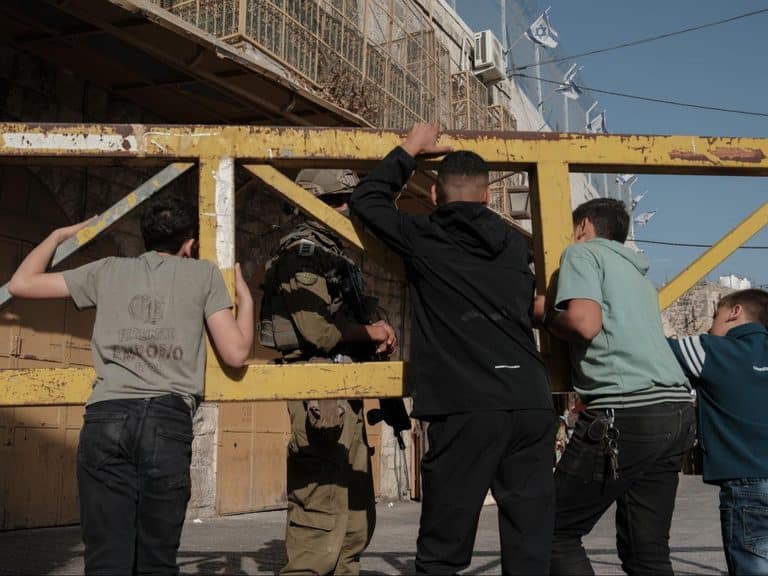
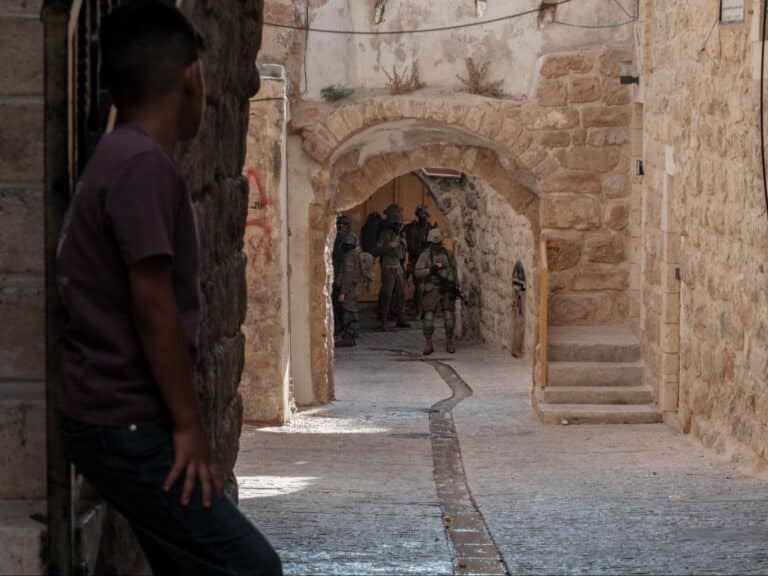
It is not always loud or dramatic. More often, it is grounded, creative, and deeply relational. The hallmark of CPT’s witness has been presence, the quiet, persistent act of showing up and standing alongside. Whether monitoring checkpoints in Palestine, accompanying communities facing displacement in Colombia, or documenting the experiences of migrants in Greek courtrooms, we have seen how imaginative, nonviolent resistance emerges from these spaces of shared risk and courage. Presence itself becomes a form of defiance.
As we mark this fortieth year, we invite you to continue walking with us. We also pause to acknowledge you—our supporters, donors, and companions along the way. This work has never been carried alone. Your solidarity has sustained us, and we are deeply grateful.
And yet, the cycle continues. Even as I write, the US and Israel have attacked Iran, throwing the region into a state of war. Our partners in Iraqi Kurdistan and Palestine are living with its consequences. Our teams remain present, often in uncertainty and danger. The call to peacemaking does not pass; it deepens.
This is not a short journey. It is a lifelong vocation.
We invite you to join us, to stand with us. Our strength, now as ever, is found in solidarity.