
This year, CPT celebrates its 40th anniversary. Through that time, we’ve shared moments of joy, grief, and everything in between.
On 26 September, we’ll be coming together – online, of course – to look back and look forward to the next 40 years. We’ll hear from Judy Da Silva, who’ll reflect on community, resistance and solidarity in Grassy Narrows, where CPT’s Turtle Island Solidarity Network is present. And CPTers past and present will share stories about their time with us – stories that show why our approach to peacemaking is so necessary now.
As we get closer to the date, I’ve been thinking back to what brought me to CPT too. Earlier this year, we published an interview with some of our “old timers”. (If you haven’t read it yet, you should!) Mark talked about his first moments on team:
“I expected constant confrontation with soldiers. In reality, 80% of the work was drinking tea and building relationships. The ‘tough days at the office’ were often spent visiting families and accepting the hospitality of tea and a plate of cut cucumbers. The work is built on those quiet moments of connection.”
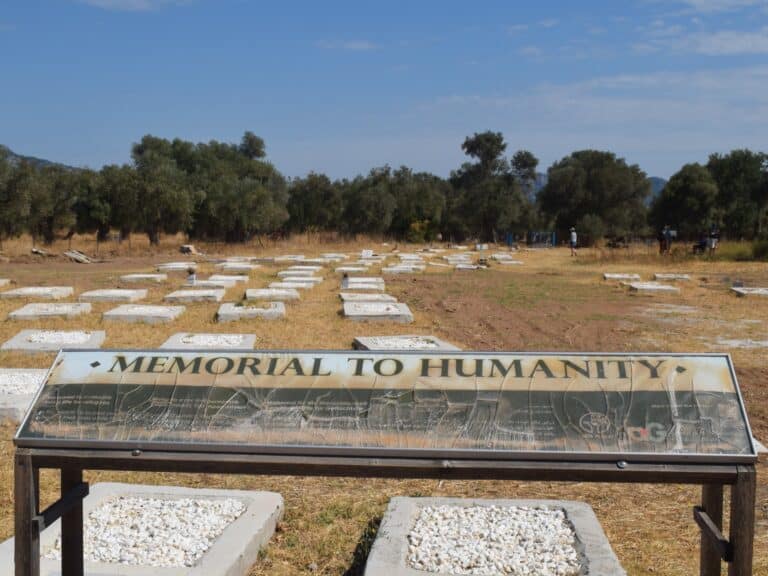
That’s what I remember. Before I joined CPT, I was friends with the team in Greece. I was impressed, first, by how much they refused to let anyone fall through the cracks – those forced to endure cases that seemed lost already in foreign courts, far from home. The next thing that stood out was how close they were with those they accompanied. And, like Mark, it struck me just how much time they spent with others drinking tea!
After joining, I realized that our apartment was an open house for those who needed it. The judicial system moved at snail pace, so people faced trial for things that had happened years ago. Back then, they were living in the island’s camps. Now they had moved and made new lives in mainland Greece, or onward into Europe. They had to fly in for their day in court, and they needed a place to crash. They were always welcome at ours. Families would cook enormous meals together on our tiny (crusty and rusty) electric stove, and we’d take in a moment of normality before the next day’s nerve-frying events. We’d eat together, and after dinner there’d be tea or a beer or two. We’d tell old stories and swap news, before our guests would camp out in the living room in sleeping bags. And in the morning, we’d head to court to face the judges together.
These ordinary moments have produced extraordinary stories. We hope you’ll gather with us on the 26th to listen to some stories from our history, to hear how CPT has shaped the lives and action of those who’ve walked with us.