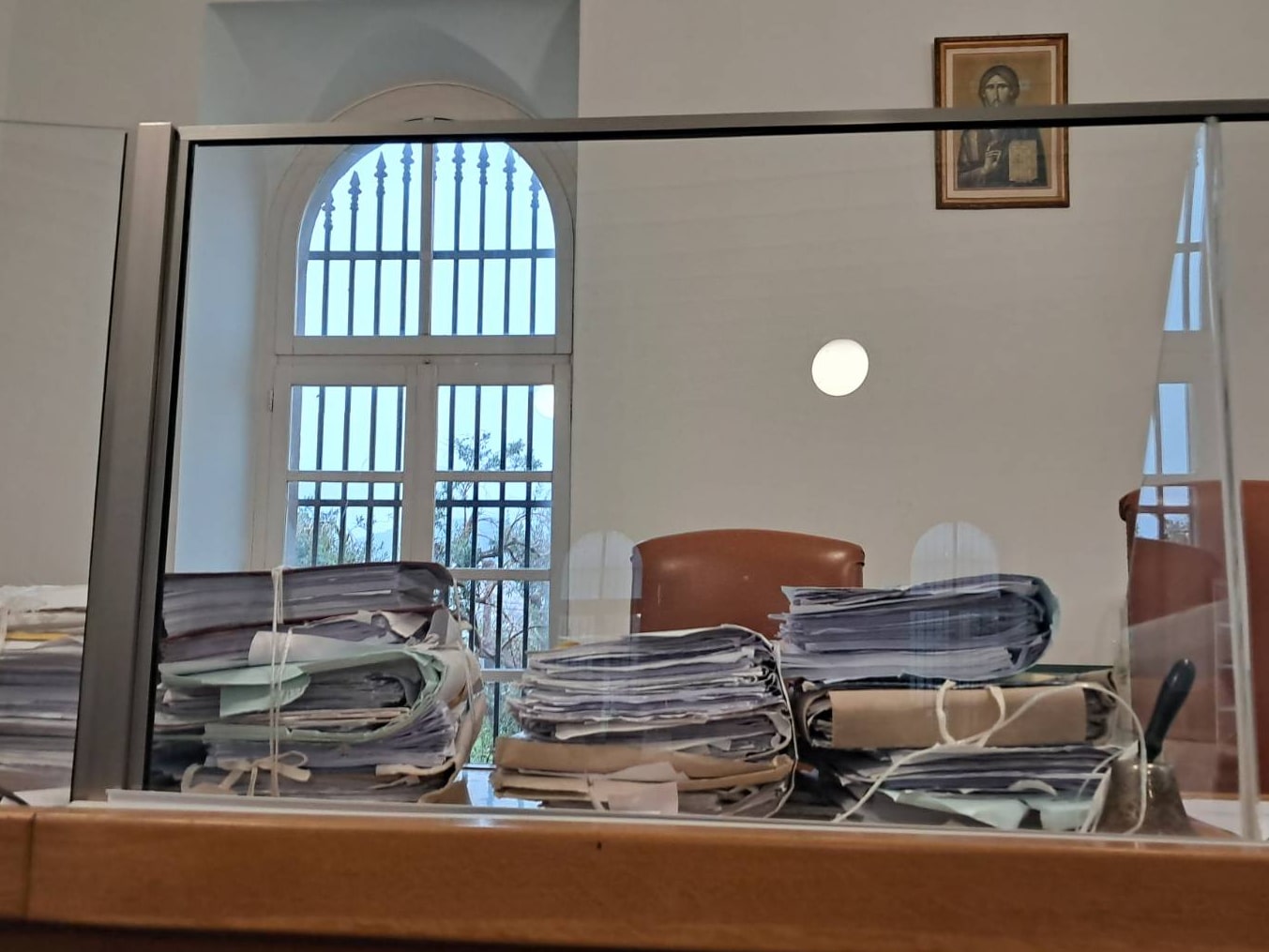
A new Annual Trial-Monitoring Report by the Border Violence Monitoring Network and Community Peacemaker Teams documents serious and recurring fair-trial concerns in the prosecution of people on the move charged with “illegal transport of third-country nationals” in Greece.
The report is based on the monitoring of 123 criminal trials concerning 190 individuals, between January and October 2025. The core charge of illegal transport accounted for 94% of all cases observed.
Key findings include:
- Systematic use of pre-trial detention, applied in 159 of 173 first-degree cases monitored.
- Extremely brief hearings, with almost half of them lasting less than 30 minutes.
- Predominant reliance on state-appointed lawyers (65%), often appointed on the day of the hearing.
- Inadequate interpretation services, affecting defendants’ ability to understand and participate in proceedings.
- Limited examination of witnesses, with key prosecution witnesses being members of the Hellenic Coast Guard.
- Convictions were the overwhelming outcome, with prosecutorial proposals and judicial decisions aligning in 85% of monitored cases.
- The widespread and highly alarming use of plea deals leading to definitive convictions, with defendants receiving limited information about the consequences.
- Standardised and severe sentencing patterns, including long prison sentences of up to 570 years for illegal transport offences, with an average sentence of 62.5 years, as well as high fines of up to 850,000 Euros.
The report concludes that these practices raise serious concerns regarding compliance with Article 6 of the European Convention on Human Rights, the Greek Constitution, and international fair-trial standards. It highlights risks to the presumption of innocence, proportionality in sentencing, and the requirement of individualised judicial assessment.
The organisations call on judicial and legislative authorities to strengthen access to effective legal assistance, guarantee high-quality interpretation, safeguard the right to examine witnesses, re-evaluate the routine use of pre-trial detention, and ensure that cases are examined in a genuine individualised and substantive manner.
You can find the report in Greek here.