
I often get asked, “What has CPT accomplished?” This is a fair question as we celebrate forty years, especially when most organisations measure their work through outcomes. At CPT, however, we challenge the assumptions of this question because we believe transformation originates with our partners—CPT is a guest in the struggle.
As we celebrate forty years of learning from our partners what it means to be rooted in community and to rise in resistance, this anniversary is a moment of gratitude to have been invited into grassroots struggles that anchor themselves in collective hope and liberation. Our deepest legacy is in what we have learned and continue to learn rather than in what we have accomplished.
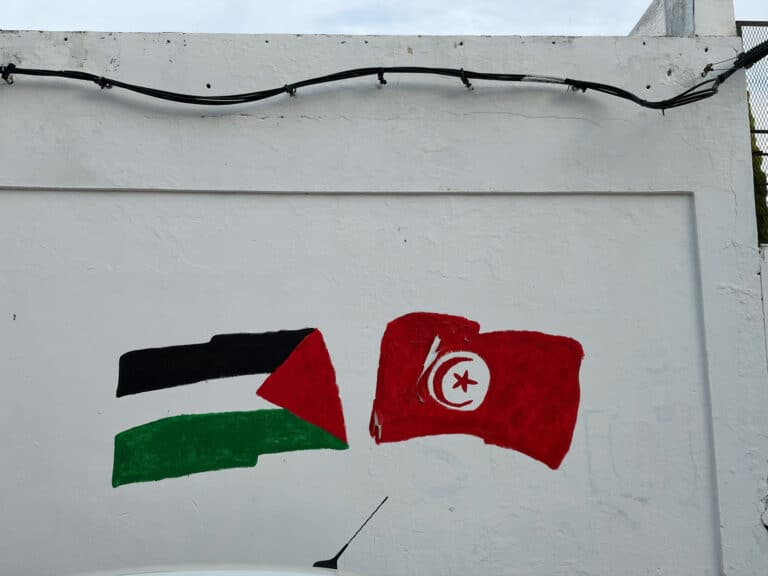
Perhaps one of our greatest lessons over these years is that solidarity requires a posture of decolonisation. To hold this posture in our work is to acknowledge that we are not the primary actors in the work of accompaniment. We are, in fact, witnesses to the incredible steadfastness and resistance of our partners. Decolonisation challenges assumptions about power, knowledge, and agency. The initial question assumes that knowledge flows from us or that history moves because of us. Too often, organisations tell stories in which they are the primary agents of change. Decolonisation asks us to tell the story differently. CPT did not invent sumud in Palestine, Colombian community organising methods, or Kurdish practices of coexistence—we were transformed by learning from them. Our partners are the protagonists in our collective liberation.
Another primary piece is the honor of walking alongside our partners, or accompaniment. Long before we met our partners, they had been defending their land, preserving their ways of life and accompanying one another through the violence of empire. Communities continued building peace under extraordinary pressure, and we were invited to participate in these movements for change. Accompaniment is an act of staying, of being present—it is the slow work of solidarity rooted in relationships that make another world possible.
Maybe the better question is: Who has CPT become after forty years? We have become an organisation that measures its faithfulness less by what it accomplishes than by how well it accompanies. We have learned that peace cannot be separated from justice, that solidarity is not something we bring but something we practice together, and that the work of liberation belongs first and foremost to the communities who invite us to walk alongside them.
If this anniversary celebrates anything, it is not our place at the center of the story, but our willingness to remain rooted in community and to rise in resistance alongside our partners. As we look to the future, our hope is not simply that CPT will continue its work, but that we will continue to be transformed by the people who have taught us what courage, hope, and collective liberation truly mean.
Join us on September 26 for an online gathering to share stories from CPT’s last 40 years. We’re also honoured to welcome Judy Da Silva, Anishinaabe Elder and Water Protector from Asubpeeschoseewagong First Nation (Grassy Narrows), as our keynote speaker. Judy will help us reflect on the power of community, resistance, and solidarity in the struggle for justice.