On my second day in al-Khalil (Hebron), I observed the weekly practice of Israeli settlers – elders, young people, and children, most clad in white clothing – gathering in the Old City of the West Bank’s largest city, to repeat their contrived claims of rights to local Palestinian land and property.
Held back from close viewing by more than 20 Israeli soldiers shielding the 50 or so settler demonstrators, I reflected on the coincidence of observing this display of imperialist ideology in al-Khalil on the very same day – 4 July – that millions of people in my country of citizenship were also in a different way celebrating, unreflectively and uncritically, centuries of settler colonialism.
Just as the USA arrived to its current shape and size from the systematic theft of indigenous lands and the devastation of native peoples, Israeli expansionism in al-Khalil and in the entire West Bank has for nearly six decades been advanced by illegal property seizures; bulldozer demolitions of family homes, multistory buildings, agricultural systems, and community infrastructure such as water supply sources and sports fields; ever-expanding authoritarian restrictions on movement for both adults and children; and, most basically, unceasing violent displacements, deprivations, and deaths of Palestinians.
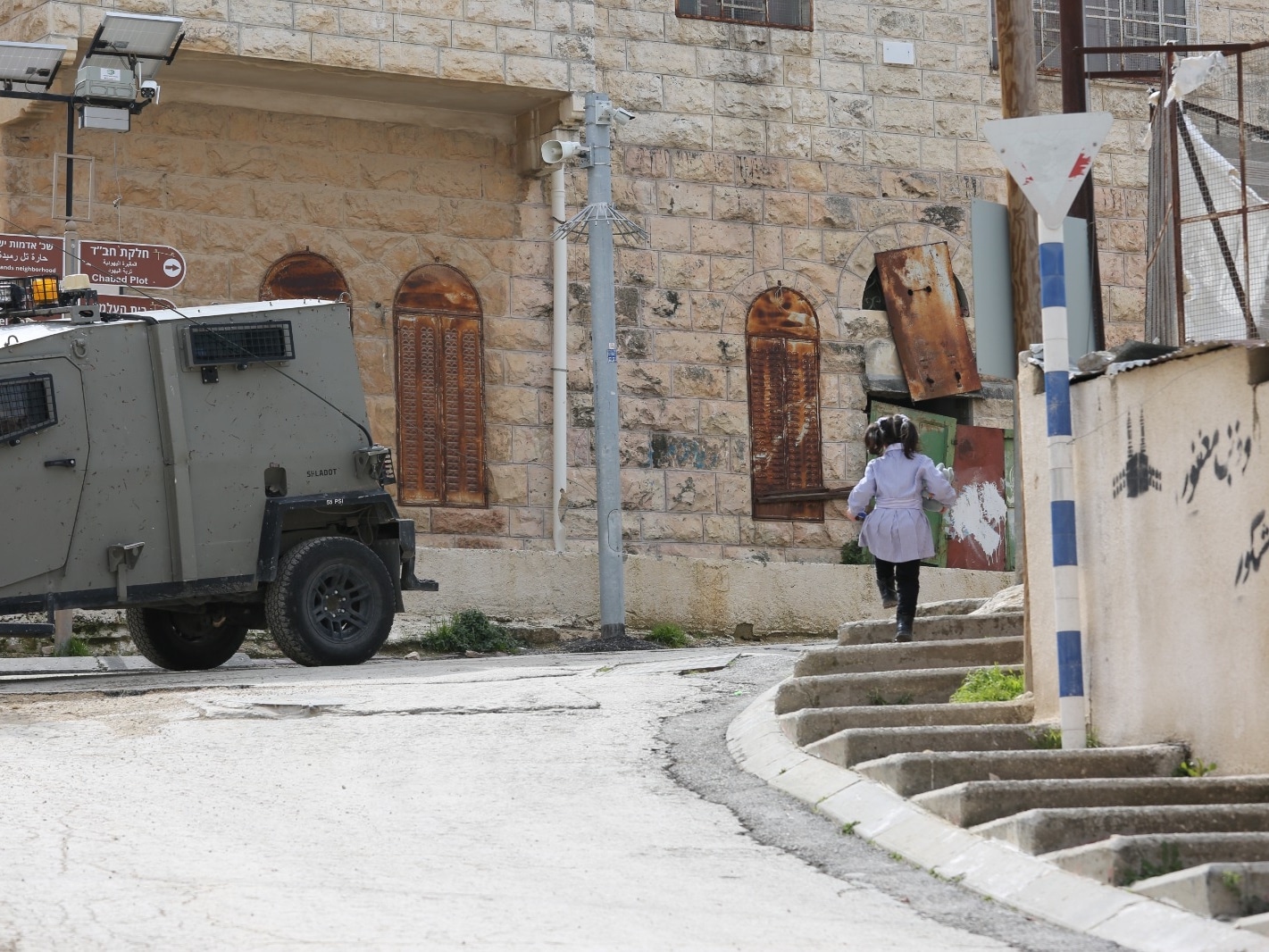
Israeli occupation affects all aspects of life here, including education. As a life-long teacher and college administrator, I am deeply distressed by what I have been learning in al-Khalil about the effects of the 59-year Israeli Occupation on children’s basic access to education. As the CPT Palestine team has thoroughly documented in semiannual reports, Palestinian school children in and around the Old City of al-Khalil are regularly delayed or deterred from attending their classes by being forced to pass through security checkpoints on the streets that take them to school. In addition to these physical obstacles impeding their education are the multiple psychological stresses that children experience living in a militarily restricted and state- and settler-fomented violent environment that hampers the freedom, curiosity, creativity, and stability that is so beneficial to learning and healthy social development. This is one of many devastations caused by the settler colonialist occupation of al-Khalil and the whole West Bank.
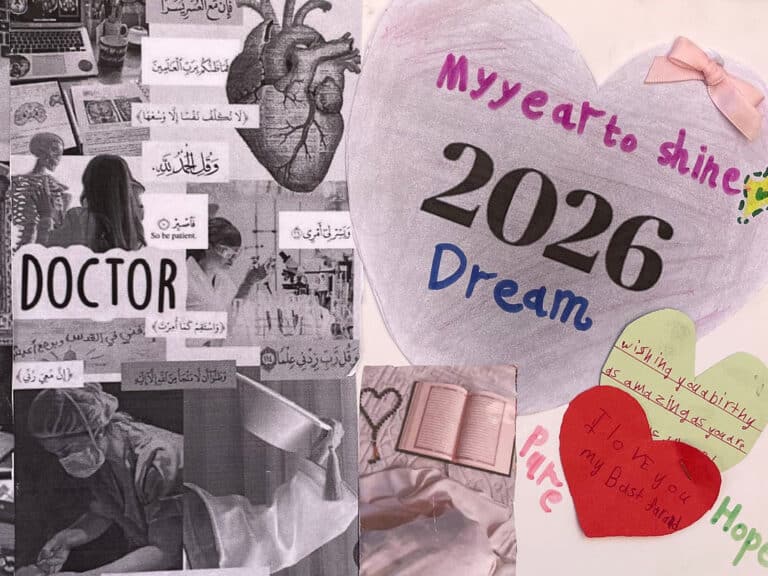
In the face of this, I am inspired by what the CPT Palestine is doing to support children, teenagers, and university students to counteract the negative effects of occupation. A few days after 4 July, I observed the CPT gathering of nine enthusiastic young women between the ages of 14 and 16 at a community center for the start of a new Through Their Lens class. In Through Their Lens, these teenagers will be encouraged to talk about the issues that matter most in their lives and their goals for the future. Using storytelling, photography, and videography, this summer these young women will each end up creating an individual Vision Board that presents their dreams and how they will overcome different kinds of obstacles to those dreams. In another project, Be the Change, that starts in September, CPT will engage university students in discussion about internalized oppression, classism, sexism and other topics. In sum, CPT Palestine education-related activities resist settler colonialism by both documenting its negative effects on schooling and by fostering free and open spaces for curiosity, creativity, and holistic learning.
So, what does my “Fourth of July in Palestine” demand of me personally? First, I must acknowledge the multitude of privileges I enjoy because of centuries of settler colonialism in my own country. My own European ancestors farmed and created wealth on territory that had previously been the lands and waters of displaced Indigenous people. Second, I will name and denounce the deep and ongoing harms to peoples in many places – including in the US and here in Palestine – caused by colonialism and militarism. My government continues to fund and facilitate horrors in the West Bank and Gaza and for that I share grave responsibility. Finally, I will support all the heroes here in al-Khalil and elsewhere who are working tirelessly in the education sphere and in multiple other spheres to try to prevent further harms from occupation, to repair where it is possible, and to envision and build a world where all peoples have the rights and opportunities to live lives of freedom, creativity, stability, and dignity.