The phrase beautiful resistance has been used in many contexts to describe the non-violent struggle to bring change in the face of oppression, for example in relation to climate change and in the celebration of Black lives and culture. A recent Christian book calls its readers to resist dominant Western cultural norms and replace them with values such as celebration, sacrifice, hospitality and the hunger for justice.
But I think it was Alrowwad in the Aida refugee camp in Bethlehem that first coined the phrase and exemplified it in art, drama, photography, dance and education. In the face of the very real ugliness of the Occupation and its violence, beautiful resistance is a way ordinary Palestinians defend their humanity and show the beauty of their lives. It breaks the stereotypes that suggest that hatred and violence are the norm or, alternatively, that the only response is passivity. Sometimes it’s creative and inclusive, sometimes it’s found in what’s normal and everyday. It looks to long-lasting change and it’s full of celebration.
There’s a lot of beautiful resistance in Zqaq El-Dah, the street in Hebron Old Town where the current CPT office is situated. Now known as Khan Shaheen, Zqaq El-Dah was the name of this street until around 1920. Come with me to see some of what’s going on in the street.
At the bend in the road, contractor Bader al Batsh is working on restoring an 800-year-old house to its original shape and appearance, advised by civil engineer Maissa and construction expert Alaa. When finished, it will be let to an ordinary Hebronite family. It’s a project of the Hebron Rehabilitation Committee which, with the help of external funding, was set up to revive what might otherwise become a ghost city, to activate economic activity and to secure Palestinian presence in the face of rapid settler expansion. A beautiful house, part of the resistance.
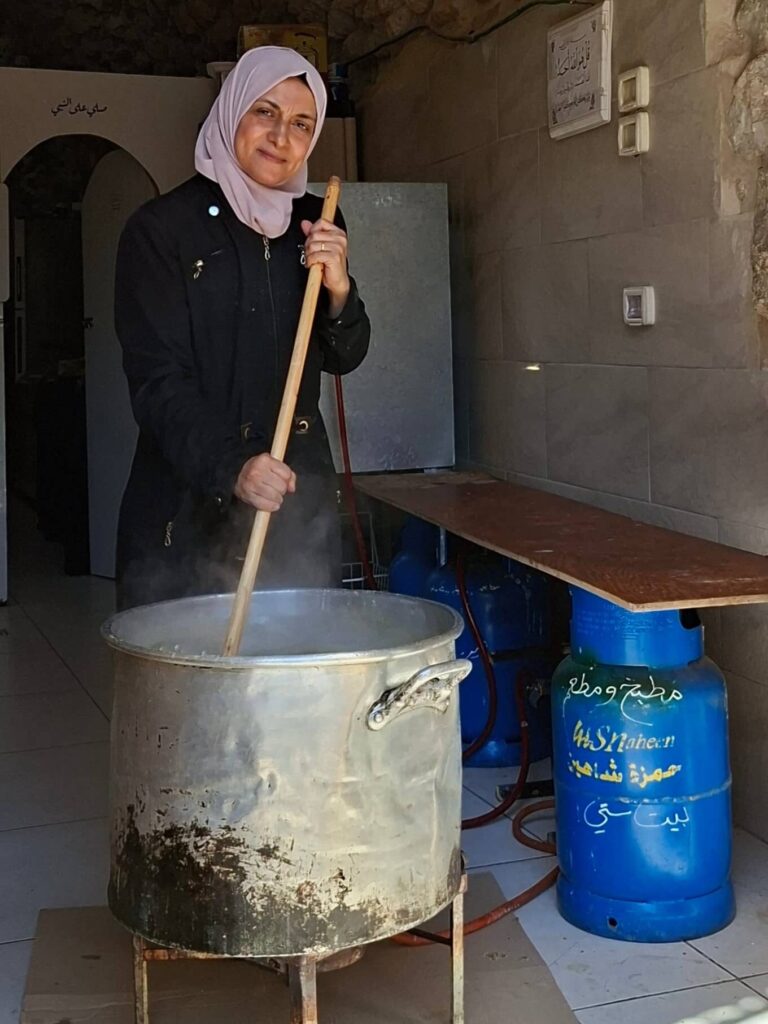
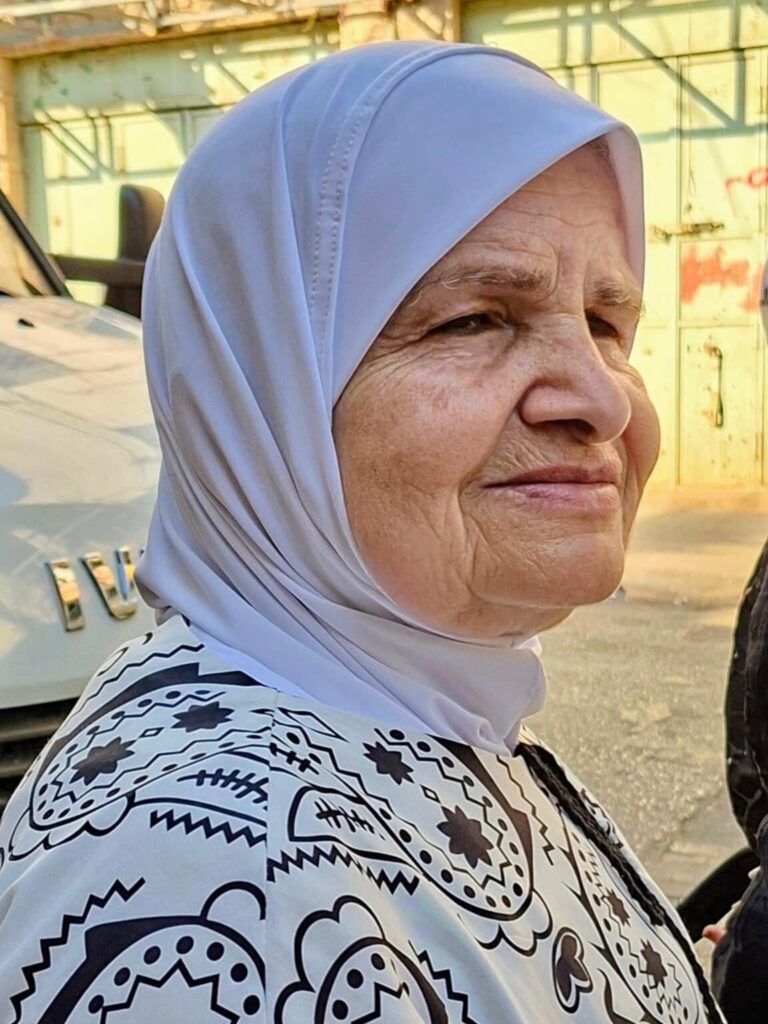
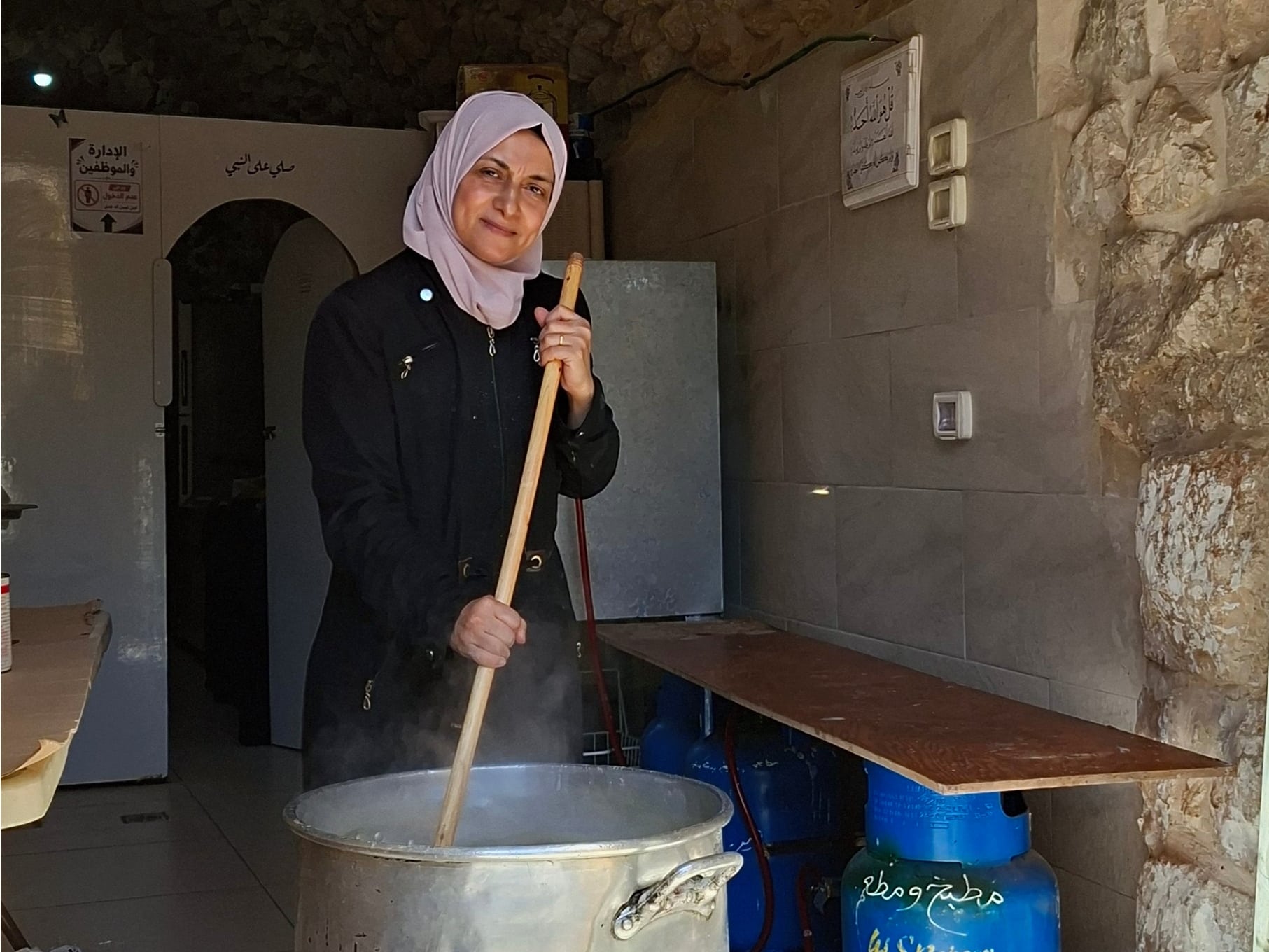
Turn left from this corner house and you’re at Bayt Sitti – Grandmother’s House – a restored traditional bakery that sells, among other delicacies, pastries with zaatar, spinach and a soft salty cheese around lunch time. It’s owned by Abu and Um Jihad. Every day they make a huge pot of some hot and traditional food and serve it the community; anybody can have some and poorer families can take a boxful home. They also deliver meals to the homes of needy families. It’s funded by donations from the community, often to commemorate someone who has died. If it sounds idyllic, it’s not. Last time the settlers made their weekly invasion the soldiers ordered Abu Jihad to shut the shop immediately. But there were things baking in the oven! So Abu Jihad closed the shop and left Um Jihad alone inside, cooking. He was mortified that he couldn’t do anything to help. Nevertheless the daily baking and the cooking for others says this: we live by other values. Beautiful!
On the right of the corner house and a few houses down is an alternative health centre. Veterinary surgeon Dr Bader, who owns it, recalls how he used to treat a steady stream of cattle, sheep, horses, donkeys and poultry and how, in Zqaq El-Dah, it was so busy you couldn’t see the ground under your feet. Then came the Ibrahimi mosque massacre and the closure of Shuhada Street; business plummeted and Dr Bader had to move out. He worked till retirement for the Municipality. The house is now restored and beautiful, but for the back yard, which has been completely filled with rubble pushed down by settlers living above and behind. It’s resilience like this that builds hope and encourages resistance.
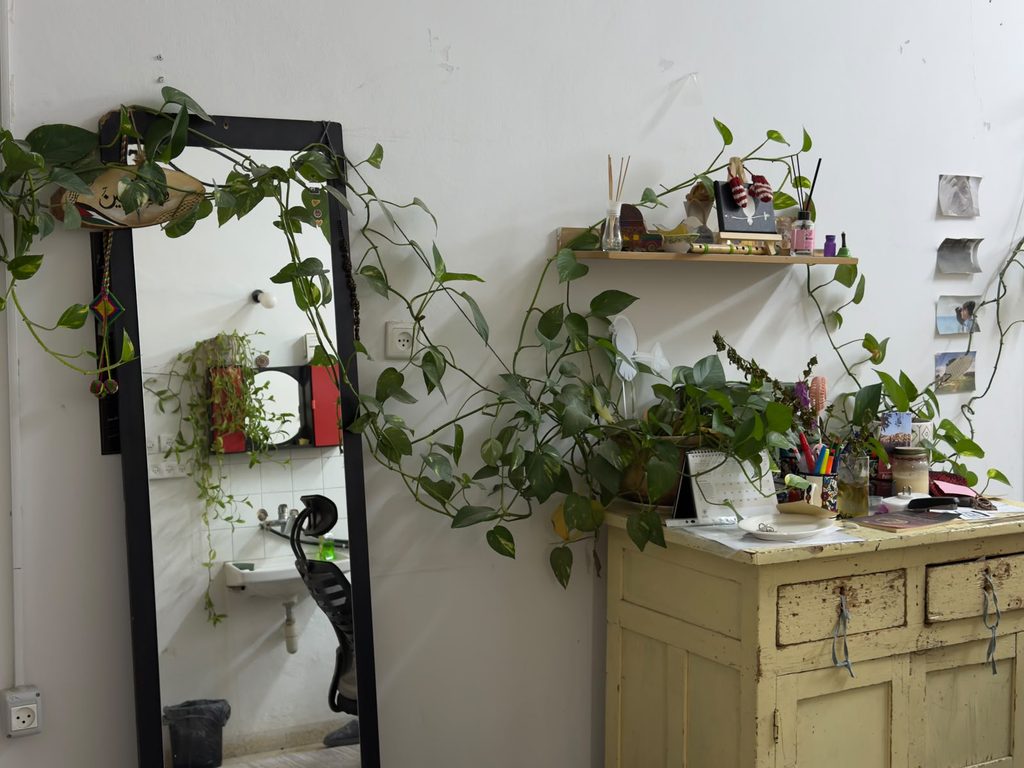
Cross the road and you come to a restored studio, run by international artist Sonia Qonipi. Sonia was born in nearby Tel Rumaida. Her own home is now allocated for a cemetery to keep the land safe from settler appropriation, and inaccessible to her. She reaches the Old City instead by taxi from Jalal Khan. As well as pursuing her own art, Sonia works with local people, children as well as adults, to draw out their own talents. She believes that it’s important to develop and share Palestinian talent, art and culture. At a recent exhibition of work by local people, Palestinian identity and liberation was the dominant theme: resistance, by means of boldly asserting the heritage that the oppressor denies.
Between Sonia and the CPT house is a restored Ottoman period hammam owned by Sameer Al-Qasrawi, who was born in the adjacent house on Shuhada Street, and whose grandfather and father were accomplished masseurs. Forced out by settlers who set fire to the building, he moved out in 2004 but has since moved back and, with help from the Hebron Rehabilitation Committee, has restored it to its original splendour and offers sauna and cold baths as well as massage. He’s very vulnerable to attack by settlers on Shuhada Street; last year they forced open the shutters and squirted pepper spray in his face. He needed two months’ treatment to recover. Nevertheless, he continues work to restore the house to the same standard as the hammam. He is glad that people in the West are beginning to get a better idea about the violence of the Occupation.
To reach the CPT apartment you have to climb a steep internal staircase. It leads also to the home of our immediate neighbour, Zleikha, a retired teacher. When she moved to Zqaq El-Dah twenty years ago, she brought with her the experience of organising school patrols to get children safely to school. So she began a nursery in her home, right inside the Old City, making it easier for families to stay. The nursery functions like a community centre. This September she expects at least 35 children to enrol. She plays a key role in a community that cares deeply about their children’s development and education, and that cares about their long-term future, and they know it. Part of the resistance.
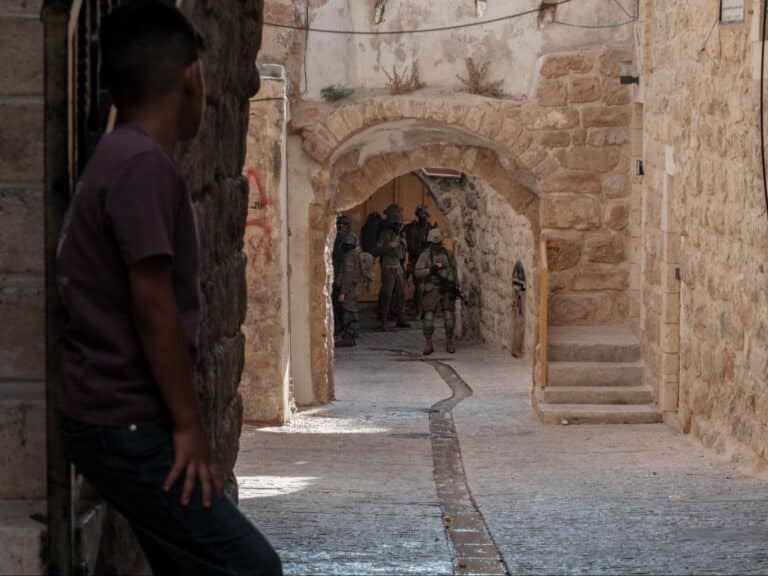
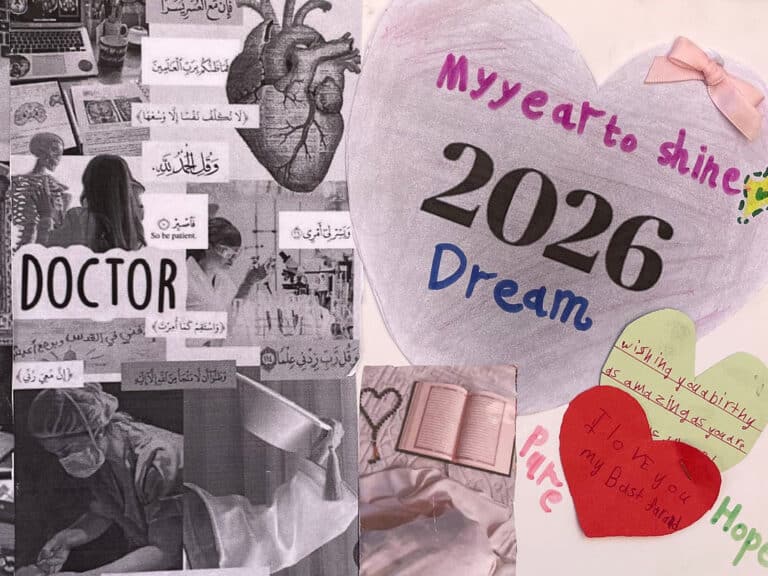
So CPT is at home with its neighbours in Zqaq El-Dah, itself exemplifying and empowering resistance in many ways in response to new developments. The daily reality is full of danger. The team has had to shut off access to the roof and the balcony, with their panoramic views of the Old City, because they have become targets of military surveillance. Its members face daily dangers such as harassment from settlers at home severe enough to necessitate leaving the family house and moving to a small and expensive apartment in H1, the less contested and safer part of the city. There is the strong probability that team members will once again be detained as they stand at the checkpoint while children pass through to go to school; this happened last winter, as a couple of times before, and it is a shocking and humiliating experience. At the same time, the team empowers resistance as it stands in solidarity with local people, who are emboldened by their presence at the checkpoint. This summer a project with teenage girls has helped the participants to explore their dreams, to set goals, to recognise obstacles and to find ways of dealing with them. Part of their learning has been a workshop on the rich history of their city, 4,500 years old, with a distinctive place in the development of the region and – city of Abraham – a distinctive religious significance for Jews, Christians and Muslims alike. The girls were encouraged to be proud of their city. CPT will move soon to a safer location. I hope that the lush indoor garden they’ve cultivated within the office can go with them; it’s a symbol of beautiful resistance.
Beautiful resistance isn’t just a local thing. It’s for all of us if we believe, with Nelson Mandela, that our own freedom is incomplete without the freedom of the Palestinians or, with with Najib Azouri, that on the result of this struggle … lies the future of the world. For all of us,the mundane repetitive things we do towards ending the Occupation – our campaigning, our activism, our attempts to stand in solidarity with the Palestinian people, the way we appreciate and share Palestinian culture – it matters. I am honoured to have a tiny share in it.