CPTnet
18 October 2013
Elsipogtog: An Ugly Day in New
Brunswick
Thursday 17 October was an
“ugly day in the history of the province of New Brunswick,”
according to Mi’kmaq Chief Arren Sock as he
prepared to meet with Premier David Alward the following day.
At approximately 6 AM, the RCMP broke
the blockade of vehicles owned by SWN Resources parked in a compound
near Rexton, New Brunswick. The Mi’kmaq of Elsipogtog First Nation,
together with their Acadian and Anglophone allies, kept the gate
blockaded for 19 days, even in the face of a court injunction
acquired by the US-based company doing seismic testing for the
presence of shale gas.
The extraction of shale gas by
“fracking” carries with it the real possibility of toxic
contamination of the land and the water. The U.N. Declaration of
Aboriginal Rights, which Canada has signed in 2012, requires states
to acquire “free, prior, and informed consent” from aboriginal
peoples for any project on their traditional land. The Mi’kmaq have
not consented to this project. Since June, CPT’s Aboriginal
Justice Team has had a presence with the people of Elsipogtog in
solidarity with their demand to have their treaty rights honoured.
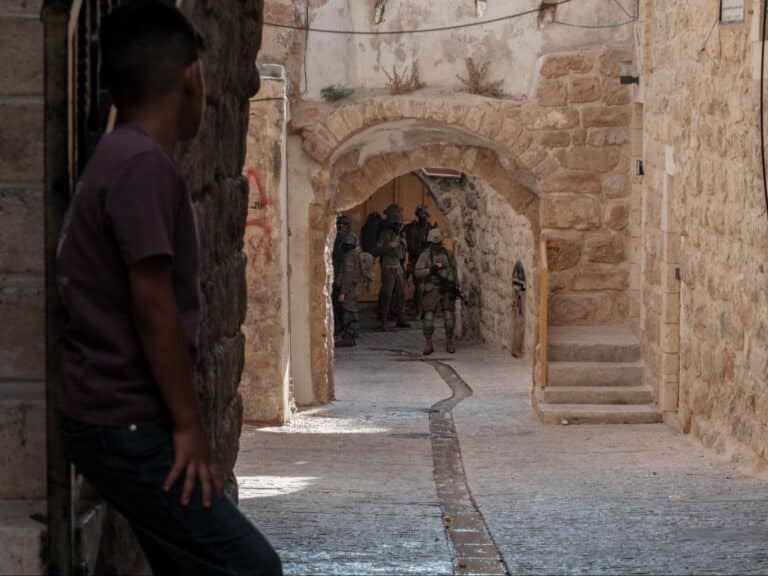
Approximately 200 RCMP officers, some
heavily armed and in army-style camouflage, raided the encampment at
the blockade and met some reported, but unconfirmed, violent
resistance by unconfirmed individuals within the compound. Many
nonviolent protectors were arrested – including the Elsipogtog
Chief and several councilors. At the established RCMP police line,
angry crowds
gathered and more arrests
took place. The RCMP responded with pepper spray and tear gas
generating more anger and burning of police cars.
CPT is saddened to see this dissolution
of a peaceful, nonviolent protest.
However, the team in no way condones the actions of individuals who
set fire to RCMP vehicles or who otherwise engaged in violence. CPT
prays that the solidarity and community of the blockade will prevail
in the ongoing struggle to end shale gas exploration.
Elsipogtog remains committed to
nonviolent resistance. Chief Arren Sock released a written statement
18 October: “Chief and Council of the Elsipogtog First Nation wish
to state clearly that guns and bombs, if any, have no place in our
peaceful efforts. The destruction of police vehicles was unfortunate
and unnecessary. A peaceful path forward still exists, but the
situation is extremely volatile.”
The day was a win
for SWN Resources Canada and the Province of New Brunswick as the
liberated trucks drove out. Ironically, a hearing was held 18
October regarding the previously issued civil injunction. The
Province of New Brunswick has joined the case, in support of SWN, as
a third-party intervener. SWN has asked the court to “indefinitely”
extend the injunction because wording in the court order addresses
sites other than the Rexton compound. The court will issue a
decision Monday, 21 October.
Regardless, demonstrations of
solidarity with the protectors/protesters came from Victoria,
Winnipeg, Toronto, Montreal, and Halifax.