A decade ago, in the summer of 2015, the Greek island of Lesvos became the epicenter of Europe’s “refugee crisis.” Images of local residents doing whatever they could to help people arriving by sea spread around the world. Soon afterward, a vast array of NGOs and independent volunteers arrived on the island to join the effort. Many lives were saved – but local actors were sidelined, leaving a bitter aftertaste. For some, that bitterness hardened into suspicion, and a strange narrative took hold: that Big Money and “special interests” were behind the arrivals.
CPT was already there. A small group of us had arrived in 2014, after learning that a grave injustice was unfolding in the courtrooms of the Aegean islands. Migrants – often people seeking asylum themselves – were being scapegoated as “human smugglers” and sentenced to life imprisonment in sham trials, sometimes lasting no more than fifteen minutes. Prosecutors and judges assumed the worst of the defendants. It seemed to us that they had a need for retribution.
Amid the urgency of the moment, as thousands arrived with no food, clothing, or shelter, these cases were treated as marginal. Many of the NGOs working on the islands saw them as unfortunate but secondary. At times, it felt as though the figure of the “smuggler” was so imposing, so unquestioned, that some did not believe an injustice was taking place at all. So CPT began gathering evidence, monitoring trials and interviewing prisoners, to build a case that could persuade lawyers and policymakers to intervene.
Eventually, the authorities in Lesvos widened their net. They were convinced that someone must be directing the arrivals from the Greek side of the shore. They looked for organizers and found them, in their minds, among the foreign agencies that had arrived in droves. The police began to interpret virtually everything these groups did as evidence of human smuggling. In 2018, they arrested 24 people working in Search and Rescue on the charge of facilitating illegal entry, among other crimes.
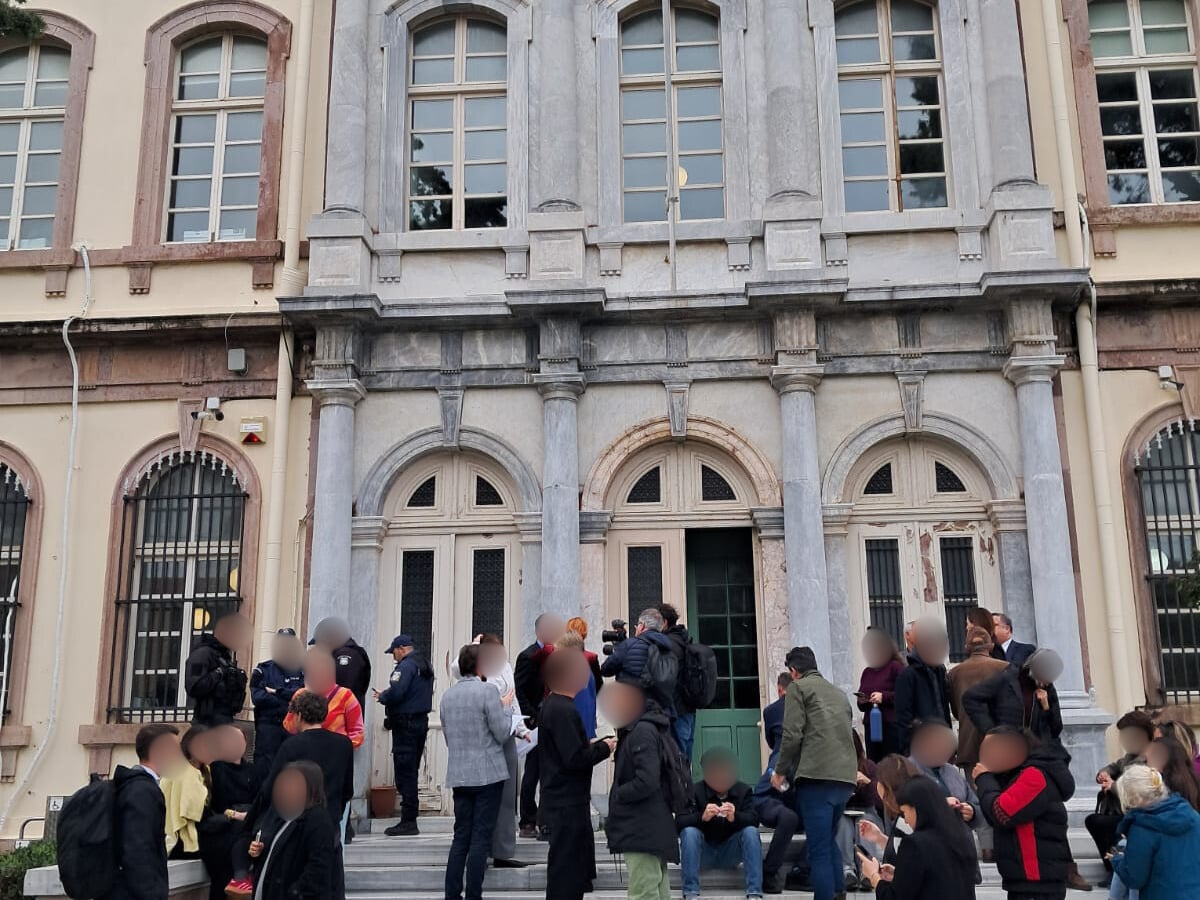
Those 24 have already appeared in court many times on misdemeanor charges, all of which were dismissed after years of proceedings. Their felony charges are now being heard. At a recent hearing, we listened to testimony from the head of the Lesvos Police Security Directorate – the man who constructed the case against them. While professing love and respect for the defendants, and claiming that his own humanitarianism outstripped theirs, he told the court: when you assist migrants reaching the shore, you are aiding the smugglers. It’s difficult to grasp how someone arrives at such a conclusion.
The trial will resume on 15 January, and CPT will be there to monitor and report from the courtroom. We ask you to follow the case with us. Share the news. Amplify the message: saving lives is not a crime.