
Behind every budget are decisions about whose lives are protected – and whose are not. Through taxation, we are implicated in those decisions.
But what if we chose to question that – and even refuse it?
Earlier this year, members of CPT’s Iraqi Kurdistan team sat with the Salih family – Haji, Saffia, and their daughter Huri. Like so many others in the region, their lives have been shaped by the steady encroachment of war. Their village has emptied over time – families leaving not because they want to, but because staying has become too dangerous.
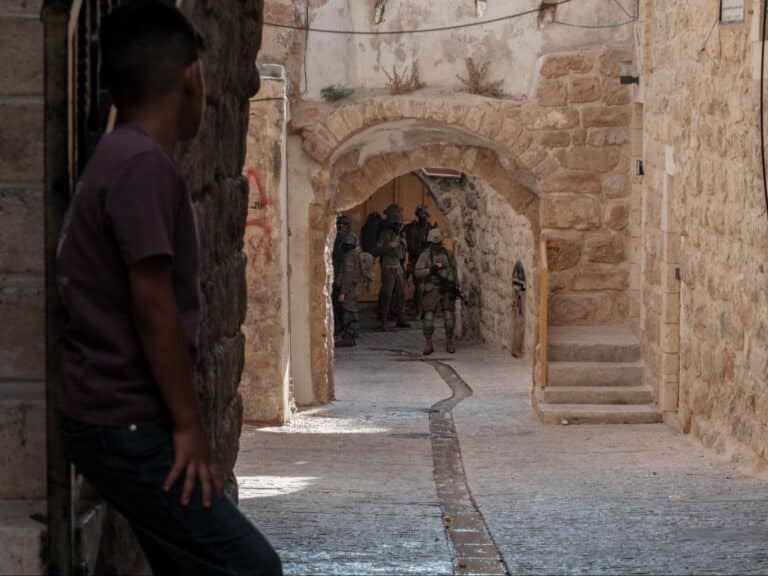
The mountains surrounding their home, once a place of belonging, are now marked by military presence and the threat of airstrikes.
Haji spoke about what this has meant for his family. Children no longer play freely outside. Nights are filled with waiting – listening for the next strike. Life has narrowed to survival.
“We are alive,” said Haji,“but we are not living.”
His words show the human cost of decisions made far away. Those decisions are not as distant from us as we might imagine. War is funded. And that funding comes, in part, from our taxes.
Right now, that reality is impossible to ignore.
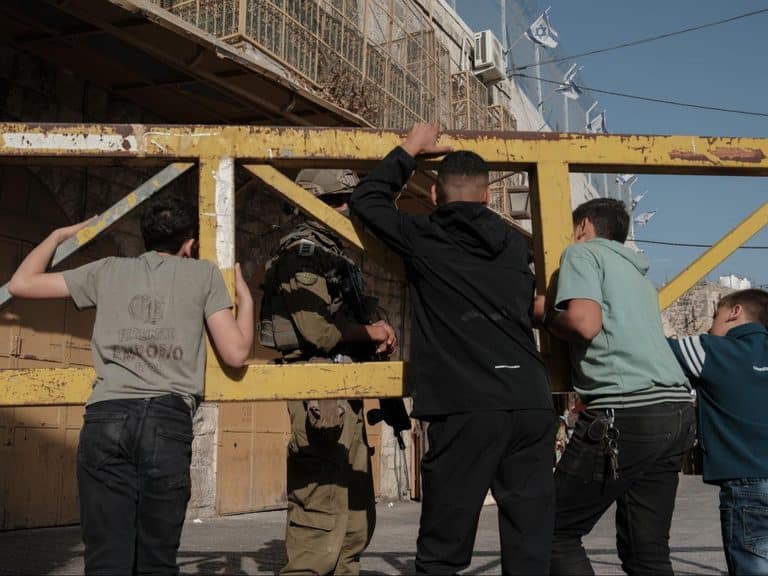
The United States and Israel have launched a devastating war on Iran, with thousands of strikes reported and civilians killed. It has escalated into a regional conflict, destabilising entire countries and reverberating through the lives of families across the region.
At the same time, in Gaza, Palestinians continue to live through the aftermath of relentless bombardment – facing displacement, hunger, and the collapse of basic infrastructure. Despite shifting global attention, the violence persists, with families struggling simply to survive.
These stories are connected. They are part of a global system that normalises war and funds it accordingly.
In the United States alone, the war on Iran has already cost tens of billions of dollars. Money that could sustain communities, healthcare, education – life – is instead directed toward destruction.
And for many of us, whether directly or indirectly, we are made participants in that system through taxation.
War tax resistance begins with a refusal to accept this logic. It is the act of saying: I will not fund what I believe is wrong. It is about rejecting the use of our taxes for violence – especially when those decisions are made without meaningful democratic consent. This moment demands a revival of war tax resistance as a form of civil disobedience.
This tradition is long and global, rooted in movements that have always asked: what does it mean to live in alignment with conscience?
Because if we believe that killing is wrong, we must also ask what it means to finance it.
As one long-time CPT tax resister reflected: “If it is wrong to kill, how can it be right to pay someone else to do it?”
War depends on distance, on the ability to separate our daily lives from its consequences. War tax resistance collapses that distance. It asks us to recognise our connection to systems of violence – and to choose, where we can, to step out of them.
War tax resistance is a way of saying:
I will not pay for your displacement.
I will not fund your fear.
I will not be complicit in your suffering.
In a world shaped by war, refusal is not passive. It is an act of resistance.
I invite you to take part in that resistance by redirecting the military portion of your taxes to Community Peacemaker Teams – joining a growing movement that refuses to fund violence and chooses instead to invest in peace.