For three months, the conflict between the United States/Israel and Iran has cast a dark shadow across the region of West Asia. Iran and its neighboring countries have been particularly affected. Among the areas most impacted is the Kurdistan Region of Iraq, which shares a long border with Iran and remains economically, politically, and socially connected to developments across the border.
Although international coverage has largely focused on military operations and geopolitical tensions, civilians in Iraqi Kurdistan continue to live with the long-term consequences of the conflict. From economic instability and rising prices to psychological trauma and fear of renewed attacks, the war has deeply affected everyday life.
The economic toll
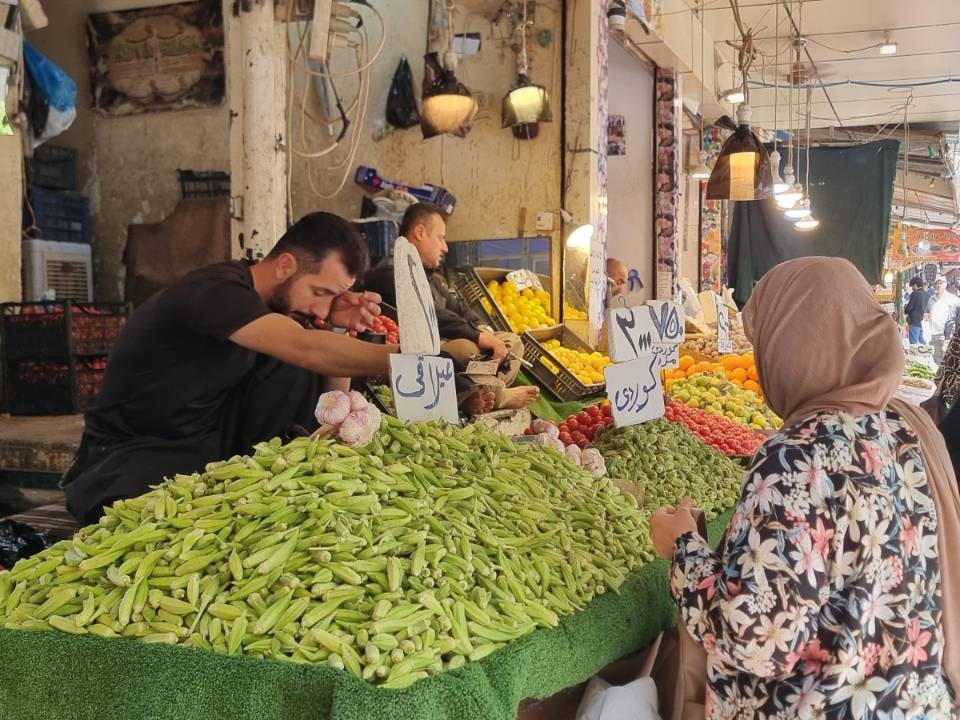
Iraq and the Kurdistan Regional Government rely heavily on Iran to meet many basic daily needs, particularly in the energy and trade sectors. A significant portion of Iraq’s gas and electricity is imported from Iran, while essential goods including food, fruits, vegetables, medicine, construction materials, and industrial products, regularly enter through border crossings between Iran and Iraqi Kurdistan.
As tensions escalated between Iran and the United States, imports slowed and market anxiety increased. This quickly triggered a rise in the prices of food, fuel, transportation, and other essential goods across the Kurdistan Region. Even after the ceasefire, many prices have remained high, further pressuring families already struggling with financial instability and delayed public sector salaries.
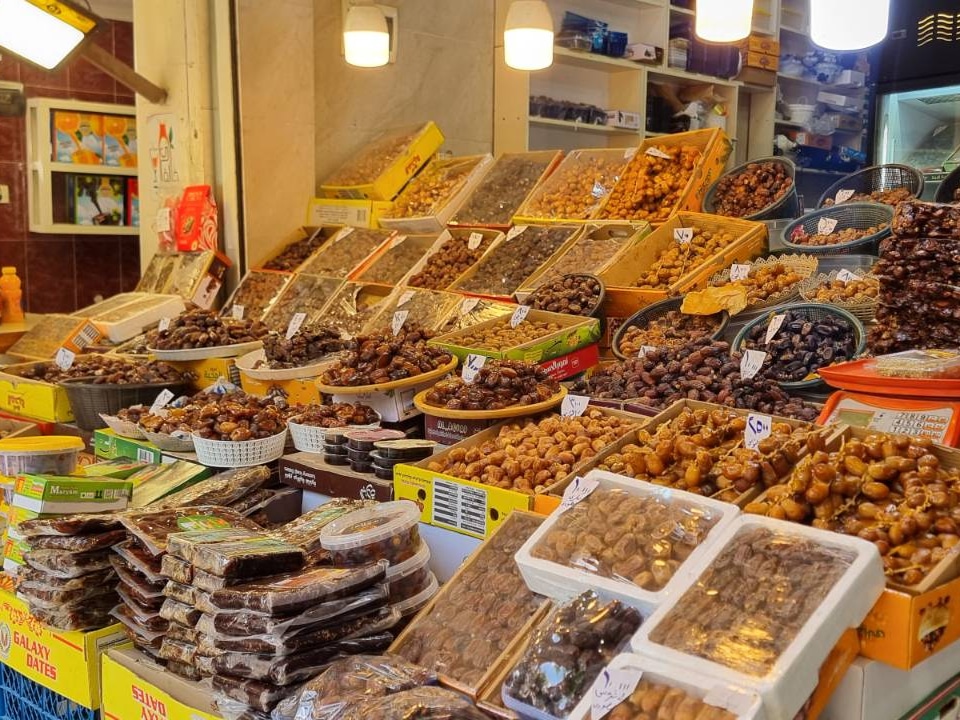
Shilan, a café owner in Sulaymaniyah, describes how the conflict disrupted both her business and the emotional atmosphere of daily life:
“The dimensions of this war on Kurdistan are far greater than what is being reported in the news,” Shilan explains. “As a business owner, the conflict affected my work and daily life from multiple angles. On the very first day of the war, we experienced a complete blackout. Many of my regular customers came simply to charge their phones and devices, but when they realized the café had no electricity either, most of them left and did not return for days. To avoid losing all of our customers, we had to buy a generator ourselves. At the same time, the prices of vegetables and cooking supplies increased dramatically. The price of a gas cylinder rose from 9,000 to 34,000 Iraqi Dinars.”
Shilan explains that many of her customers are public employees and daily workers who were already facing economic hardship before the conflict began:
“For years, many people in the Kurdistan Region have struggled because of salary delays and economic instability. We tried to keep our food prices affordable for ordinary people, but this war forced us to raise prices too. Naturally, fewer customers come now.”
Beyond the financial consequences, Shilan says the conflict has also changed people emotionally:
“Even now, after the ceasefire, the anxiety is still visible on people’s faces. I used to greet customers with a smile every day, and the café always had a joyful atmosphere. Now that feeling is gone. Out of everything, losing that sense of normal life has been the hardest part.”
The human cost
Beyond rising prices and economic pressure, the conflict has also left behind irreversible human losses.
On 7 April 2026, at 12:23 am, Iranian-affiliated groups in Iraq conducted two drone attacks on Zargazawy village, located in the Darashekran sub-district in Erbil Governorate.
One of the drones struck a civilian house, and as a result, two people – 39-year-old Musa Anwar Rasul and his 35-year-old wife, Muzhda Asaad Hassan – were killed.
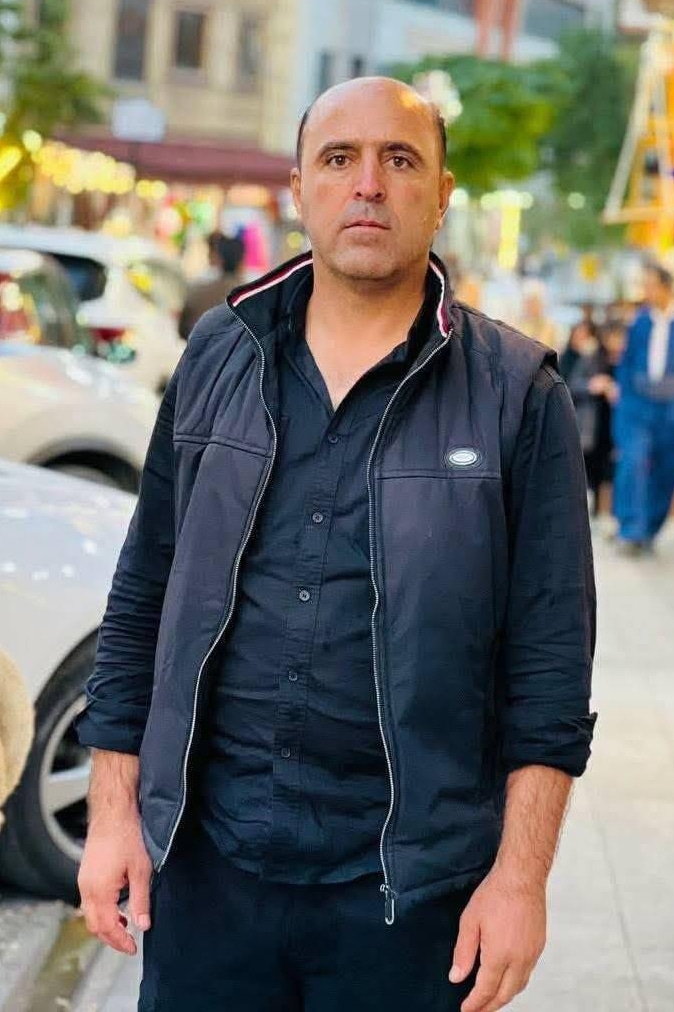
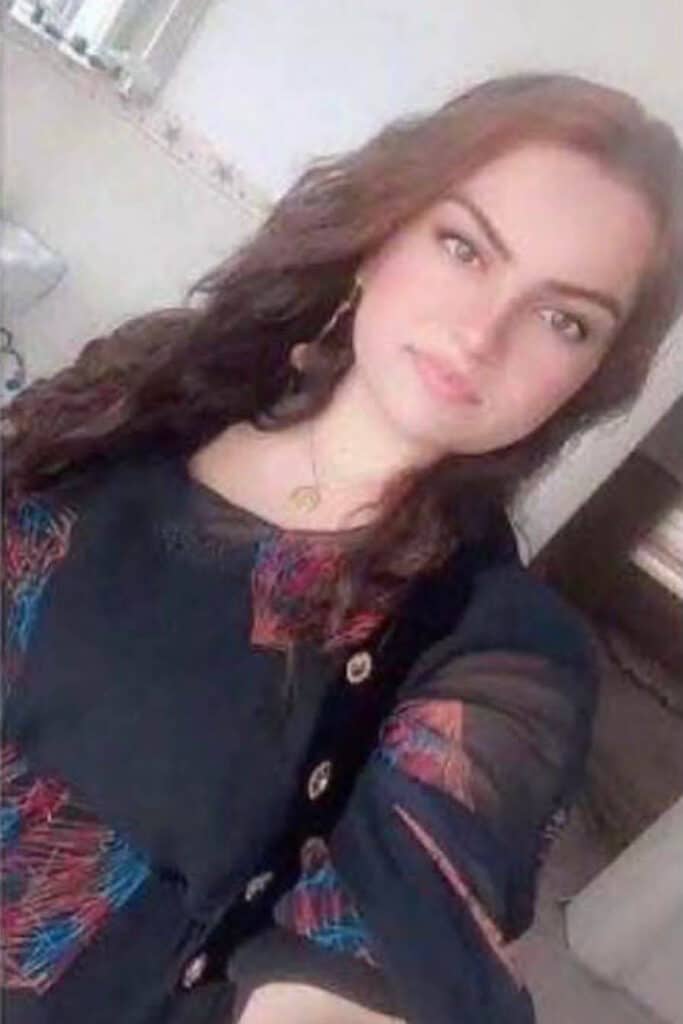
Musa and Muzhda left behind two children, both daughters, who are now living with relatives.
Shukur, a resident from a nearby village, recalled the night of the attack in an interview with CPT-IK conducted during May 2026:
“I am from Darashekran, very close to Zargazawy. In this region, everyone knows one another. We are all neighbors and extended family. That night, we received a phone call telling us that Musa and his wife had been rushed to the hospital after a drone attack targeted their home.”
“At first, people believed the entire family had died. Nobody knew what happened to the children. Later, we learned that the two daughters had survived unharmed.”
The attack came as a shock to the community members. They could not understand why a civilian home had been targeted. In Shukur’s words, “the attack created fear among everyone because it proved that ordinary people are not safe.”
In the eyes of the community members, the killing reopened fears that many Kurdish communities have lived with for decades. Shukur comments, “this is not the first time Kurdistan has experienced bombardments and attacks from neighboring countries. People here have lived with this fear for many years.”
When discussing who bears the heaviest burden, Shukur points to the youngest generation: “In every war, children suffer the most. They do not understand why explosions happen or why people disappear. Even after the attacks stop, the fear stays inside them for a very long time.”
The ceasefire between Iran and the United States has failed to halt the violence. Iraqi Kurdistan has faced over a hundred subsequent attacks by Iran and its proxies. Because of this continuous threat, many residents still live in constant anxiety.
“People are still afraid because these drones did not only target military areas. Civilian homes were also affected. That fear has not disappeared.”
Shukur adds that while local authorities recognized Musa and his wife as martyrs and promised support for the surviving children, many questions remain regarding compensation and long-term assistance for affected families.
When asked if there was anything about war that he felt the news was not reporting to the outside world, Shukur said “if I could say one thing to those who are far removed from this war, it would be this: in this conflict, the parties suffering the primary damage are neither the United States nor the Iranian regime, it is the people of Iran and the people of this region. As we witnessed, following the US and Israeli strikes on Iran, Iran and its proxies retaliated by targeting neighboring territories, particularly Iraqi Kurdistan. This is not the first time Kurdistan has become the scapegoat and target after Western or Israeli strikes on Iran.”
An uncertain future
For many people in the Kurdistan Region, the war has also intensified psychological stress, social anxiety, and feelings of uncertainty about the future.
Even before the recent escalation, many communities in Iraqi Kurdistan were living under pressure from regional instability, recurring cross-border attacks, and ongoing conflicts in neighbouring countries.
As the war intensified, many were in a constant state of alertness. People closely followed news updates throughout the day, feared the possibility of wider regional escalation, and worried whether attacks could spread further into civilian areas.
Many civilians describe struggling with emotional exhaustion, fear of sudden explosions, and anxiety whenever aircraft or drones are heard overhead. Parents worried about their children’s safety, while others feared losing their homes, jobs, or loved ones if the violence escalated further.
The conflict also revived older, deep-rooted collective memories of war and displacement. For many families, the recent attacks were part of a longer history of regional instability and insecurity.
Ongoing dynamics across the region have seen the development of conflict in Syria and Turkish military interventions affecting Kurdish communities. For many Kurds in Iraqi Kurdistan, the escalation between the US and Iran was another chapter in a long history of regional conflict and displacement.
A local resident, reflecting on the emotional burden of living through repeated cycles of war and escalation, shared: “For years, the United States and Israel have threatened Iran. For us living in Kurdistan, being both part of the Middle East and direct neighbors to Iran, our ears have become accustomed to these threats. But when the first American strikes on Iran happened this time, I told myself: ‘It has finally happened.’ Immediately, I remembered the first American missile that struck Baghdad 23 years ago, and a deep anxiety consumed me. War in your neighbor’s house means war in your own house, especially if that neighbor has never been good to you or to your fellow Kurds across the border. I know many people may disagree with me, but after witnessing so much war and its aftermath, I have learned one thing: wishing for war as a path to liberation is like gambling with everything you own. Even the gambler who leaves with money is never a winner for long.”
Although the ceasefire reduced immediate fears of escalation, many people across the Kurdistan Region continue to live with uncertainty. The psychological impact of the conflict remains present in everyday life: in conversations, in memories, and in the constant fear that another escalation could begin at any moment.
Iraqi Kurdistan, alongside the region, desperately needs it to end.