As I search for news on the latest agreed-upon version of the “Memorandum of understanding” between the United States and Iran to end the war and engage in further negotiations, I allow myself a cautious sense of hope. Probably, like many of you reading this, I have learned to hold on to hope with a high degree of worry.
After weeks of contradictory reports, misinformation, and uncertainty, we can only hope that this agreement may finally become the moment we have been so eagerly waiting for.
We have been waiting for it since the first suicide drones and missiles began exploding across Iraqi Kurdistan more than one hundred days ago. At the time, many of us believed the conflict would end within days, and then days became weeks. Since then, more than 750 drones and missiles have been launched on us by Iran and its allied militias in Iraq, and the consequences of this war have rippled across the globe.
In the Kurdistan Region, the impact has extended well beyond the attacks themselves and the 143 people who were killed or injured. For years, many everyday necessities, like food, kerosene, cooking gas, and other basic goods, have been imported from Iran. Today, some of these products have disappeared from the market, while the prices of others have skyrocketed.
We have just published an article reflecting on the economic impacts and psychological trauma this war has imposed on the Kurdistan Region. One person interviewed for the article told CPT:
“For years, the United States and Israel have threatened Iran. For us living in Kurdistan, being both part of the Middle East and direct neighbors to Iran, our ears have become accustomed to these threats. But when the first American strikes on Iran happened this time (…) I immediately remembered the first American missile that struck Baghdad 23 years ago, and a deep anxiety consumed me. War in your neighbor’s house means war in your own house, especially if that neighbor has never been good to you or to your fellow Kurds across the border.”
The consequences of this war will continue to be felt for a long time beyond the high prices of gasoline, kerosene, fertilizers and their impacts on other goods that shape daily life around the world. In Iran, alongside the destruction of homes, infrastructure, and civilian areas, and profound economic impact, and the loss of approximately 3,500 lives, and the tens of thousands injured, the war has also disrupted and set back the long struggle for Kurdish people’s rights and that of Iranian civil society against the regime. We are yet to see how much time these movements will need to recover, rebuild, and reimagine their onward paths.
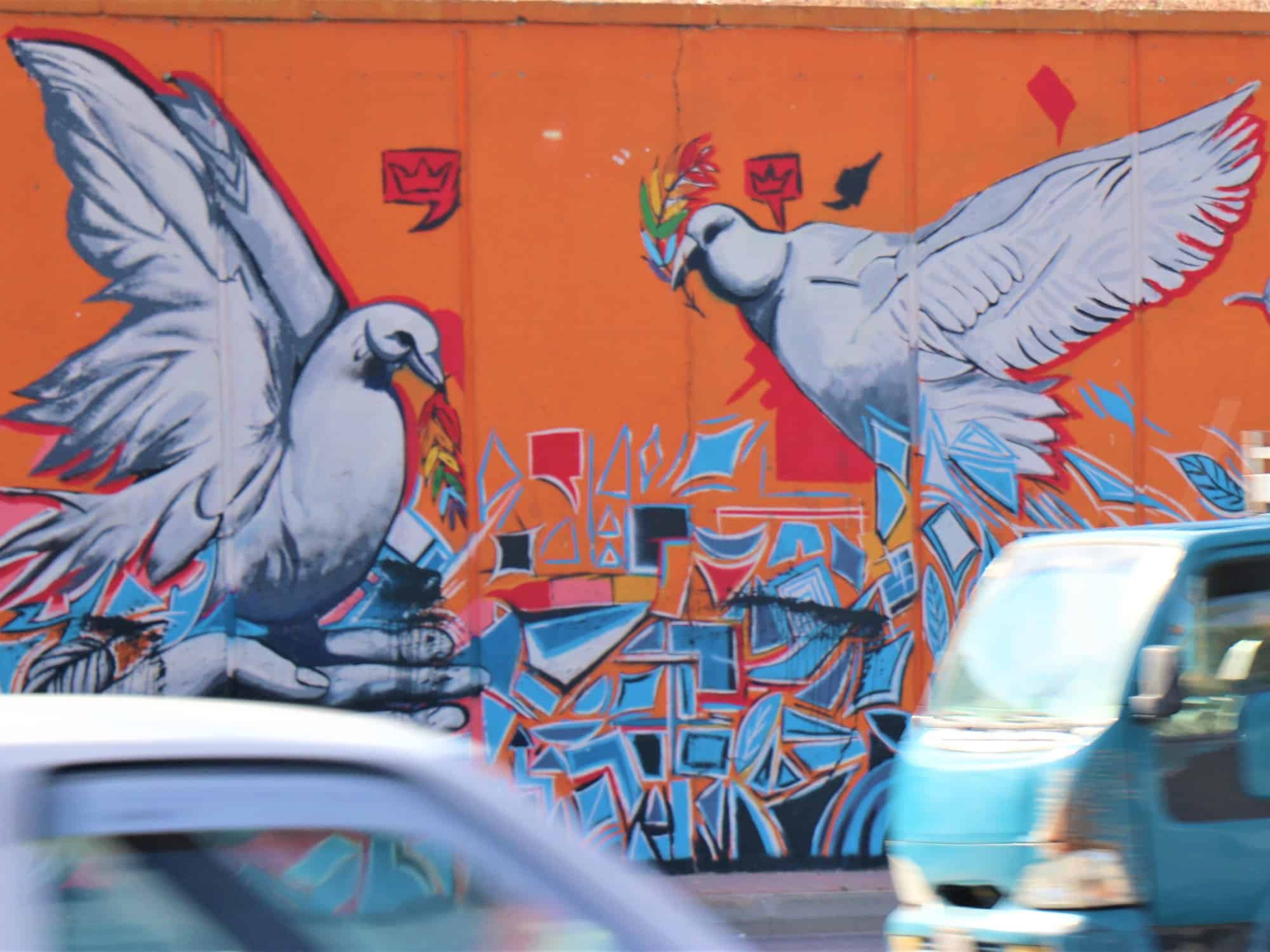
We’d like to ask for prayers that the words of a “peace deal” between the US and Iran turn into concrete actions and open the world to the possibility not only of ceasing military actions and opening water passages, but to a possibility of a true and lasting peace. A peace that, hand in hand with justice, will dance halparke (traditional Kurdish dance). Not a peace that further empowers dictatorial regimes in the United States and Iran, but one that strengthens civil society movements and brings about grassroots-led change.
Throughout this process, Israel continues to play a crucial role. It might try to do just about anything to sabotage the negotiations between the US and Iran while continuing to bomb and occupy, destroying large swaths of Lebanon and carrying out genocide Gaza. It may seem as though evil was triumphant and destruction had the final word.
Yet we ask you not to stop speaking out, acting, organizing, praying and advocating, not only for the end to military violence and wars, but for a just and lasting peace. A peace that brings life.