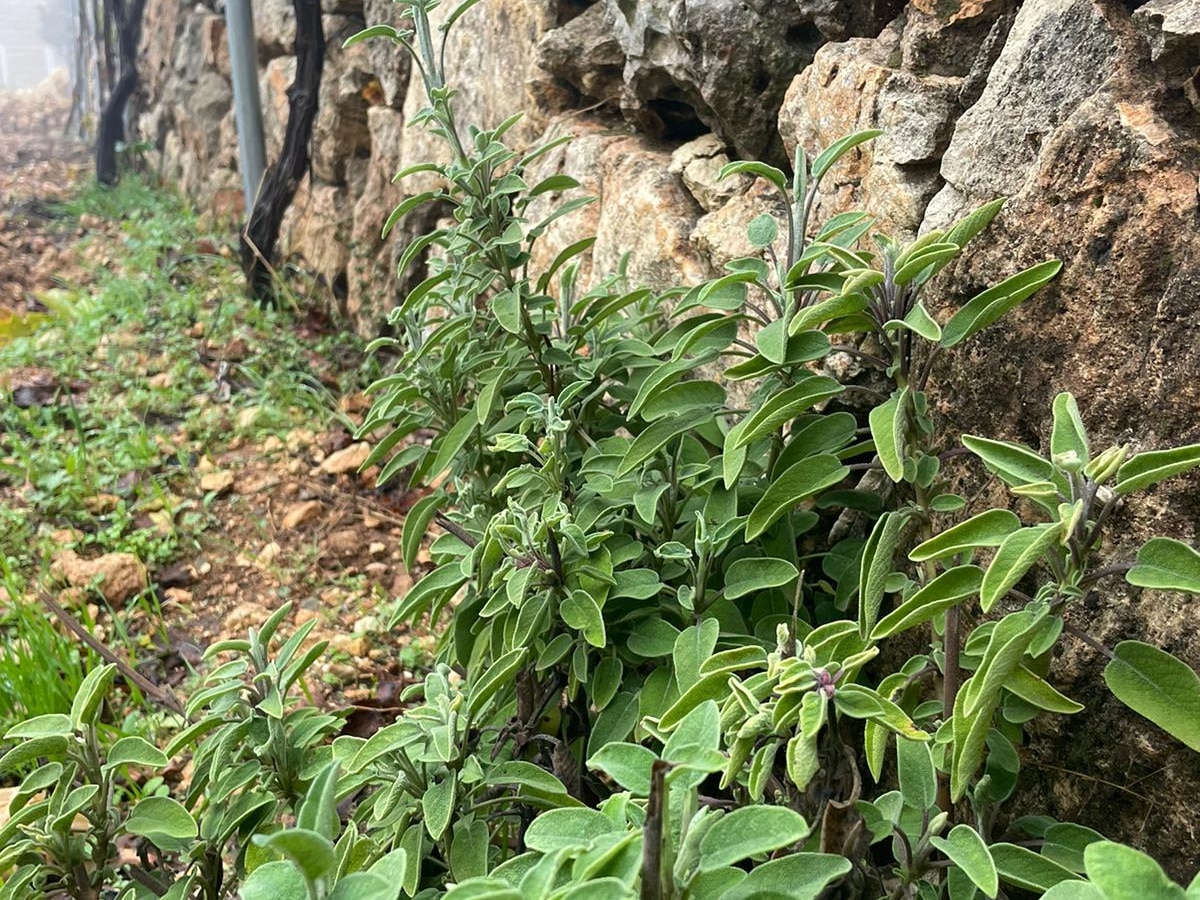
For Palestinians, the land is not merely a place to live – it is memory, identity, and heritage. Every olive tree carries the stories of generations, and every stone whispers the names of those who passed through this land. Under occupation, holding onto the land becomes an act of defiance and a form of resistance rooted in love. To lose the land is to lose a part of oneself, but caring for it despite hardship keeps hope alive. The Palestinian’s connection to the land is not a material attachment, but an eternal promise of life and continuity.
On one of the days preceding 7 October, my father and family went to our land, located in the Wadi al-Shanar area, near the Karmi Tzur settlement in the city of Halhul, north of Hebron, to harvest the grapes and collect their yield. For our family, this land is more than an agricultural space; it is part of our deep-rooted history in the area and an extension of our identity. While they were there, occupation soldiers arrived and questioned them, asking: “Where are you going?” My father confidently responded that they were going to their land, inherited from their ancestors. The soldiers then left and returned to their base without any further harassment.
My father used to visit his land freely and without interference from soldiers or settlers. He regularly plowed the soil, cared for the crops, and harvested the grapes without restrictions. To our family, the land is more than a source of income; it represents dignity, belonging, and security. It is an integral part of our identity and presence in the region. The land is a primary source of livelihood for the family and carries deep emotional and symbolic value that cannot be replaced. It is woven into our daily lives – a heritage preserved from one generation to the next.
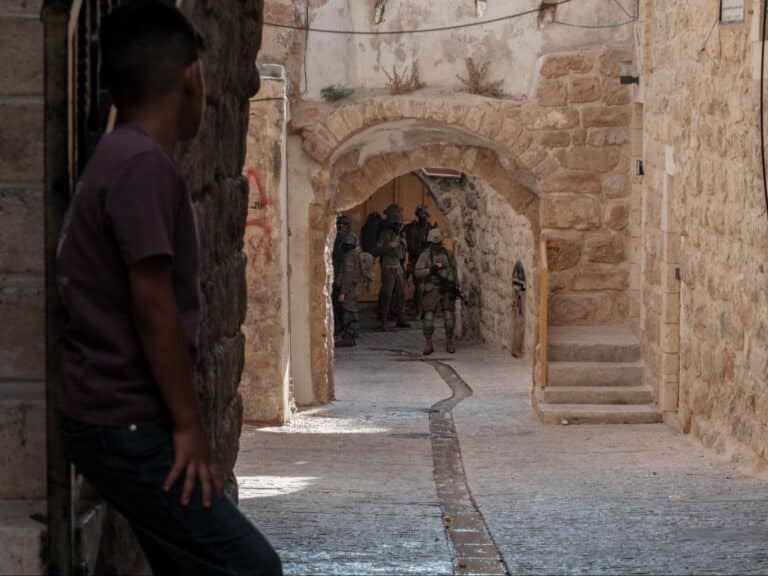
On one of the days after 7 October, my father went to the land with my family to cultivate the soil and harvest the grapes. At around three o’clock in the afternoon, an Israeli military vehicle arrived, and seven soldiers disembarked, some of them masked, showing only their eyes. One soldier pointed his weapon at my father and began shouting at him in Hebrew: “What are you doing here? Whose land is this?”
My father explained that the land belonged to him and that he had continuously worked on it, emphasizing that it was a vital source of income for the family and a significant part of their longstanding heritage. Despite this, the soldier continued shouting in Hebrew, prompting my father to request communication in Arabic or English, as he did not understand Hebrew. The commanding officer was then called, speaking limited Arabic and unclear English.
The officer ordered my father to sit on the ground, and the soldiers began searching him and intimidating him. The officer continued interrogating him loudly, demanding proof of ownership of the land. My father confirmed that he possessed the necessary documents. After gathering all the information he wanted, the officer issued a decision to confiscate all the agricultural tools my father used for cultivating the land. My father refused the decision, explaining that the tools posed no threat and were essential for his work.
The conversation lasted nearly an hour, after which the officer gave my father five minutes to leave the area, threatening to arrest him. This forced my father and family to leave the land despite their deep attachment and its great importance to them
Following this incident, the occupation forces erected military gates at all entrances to the area, making access to the land possible only on foot—a highly dangerous route due to the need to cross a bypass road. Among the dangers is the possibility of a settler running over someone crossing the bypass, and sometimes settlers are present on either side of the road, attacking anyone who reaches their land under the protection of the Occupation army. Before October 7th, these gates were not in place, and my father could reach the land by car without any harassment or provocation.
This experience demonstrates that holding onto the land is not merely an agricultural act but a defense of identity, existence, and the fundamental right to live with dignity. Despite restrictions and threats, Palestinians continue to protect their land because it embodies both their memory and their future. My father’s resilience in the face of these circumstances reflects the true meaning of belonging: standing firm against injustice and preserving what has been passed down from one generation to the next.
Although I am no longer able to reach my family’s land, my attachment to it has never weakened. Everything I know about the land today comes from the stories my father used to tell me: stories about grapes, stories about fatigue, endless love stories to the earth. The occupation tries to sever the connection that binds us to our land by placing gates and preventing access to the land. But what they don’t know is that memory is stronger than all these restrictions and prohibitions, and that our connection to the land is not erased simply by preventing access to the land.