
How do we measure the impact of peace work? It’s not always an easy thing to do. Change comes slowly, and it’s rarely spectacular. Sometimes, the world we want to build seems further away than ever.
But sometimes the impact of our work is found in people who are changed by witnessing injustice firsthand, and who carry that experience with them long afterwards.
This week, we’re publishing a reflection by Jenny, who joined our delegation to Turtle Island a few years ago. She writes about the impact the experience had on her, and the path it helped to set her on. The violence she encountered was juxtaposed with a community rooted in solidarity. She saw the resilience that has sustained Indigenous struggles for justice for generations. She learned that the descendants of children forcibly separated from their families are now on the frontline of the fight. In that history, she saw a future in which those who resist settler colonialism will outlast its violence.
As Jenny reminds us, it’s one thing to read about injustice, and quite another to witness it firsthand. That experience can profoundly change how we see the world and what we choose to do about it. Years after joining the delegation, Jenny continues to walk alongside Indigenous communities resisting plans to dump nuclear waste on their lands.
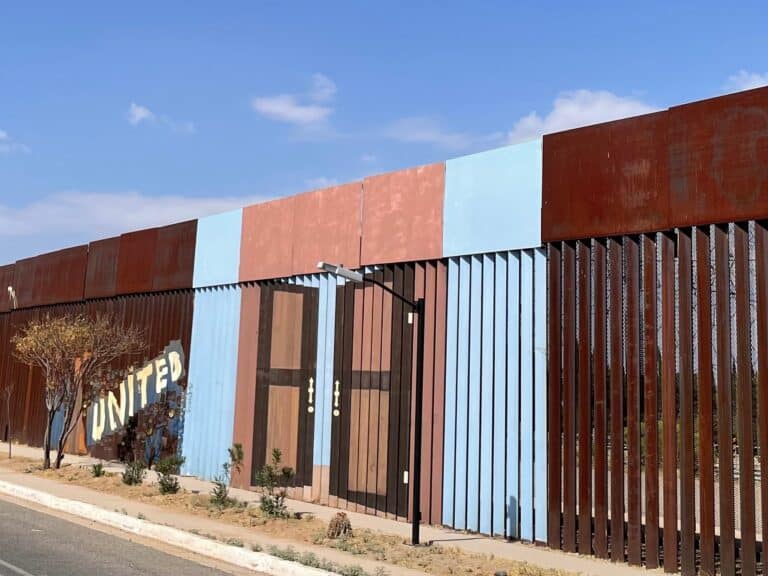
Read Jenny’s reflection and think about joining us on a delegation too. Join our Aegean Migrant Solidarity team to see how the EU border regime is experimenting with militarisation to keep migrants out of the EU through detention, violent pushbacks, and scaremongering. Join our Iraqi Kurdistan team to see the civilian impact of the peace process between Turkey and the PKK, and advocate for the return of displaced communities. Or join us at the US/Mexico Borderlands to witness firsthand the impact of immigration enforcement, where life and death decisions are imposed upon our migrant neighbors.
We can’t always measure our impact in the change we see today, but we can discern it in those determined to bring about the change still to come.