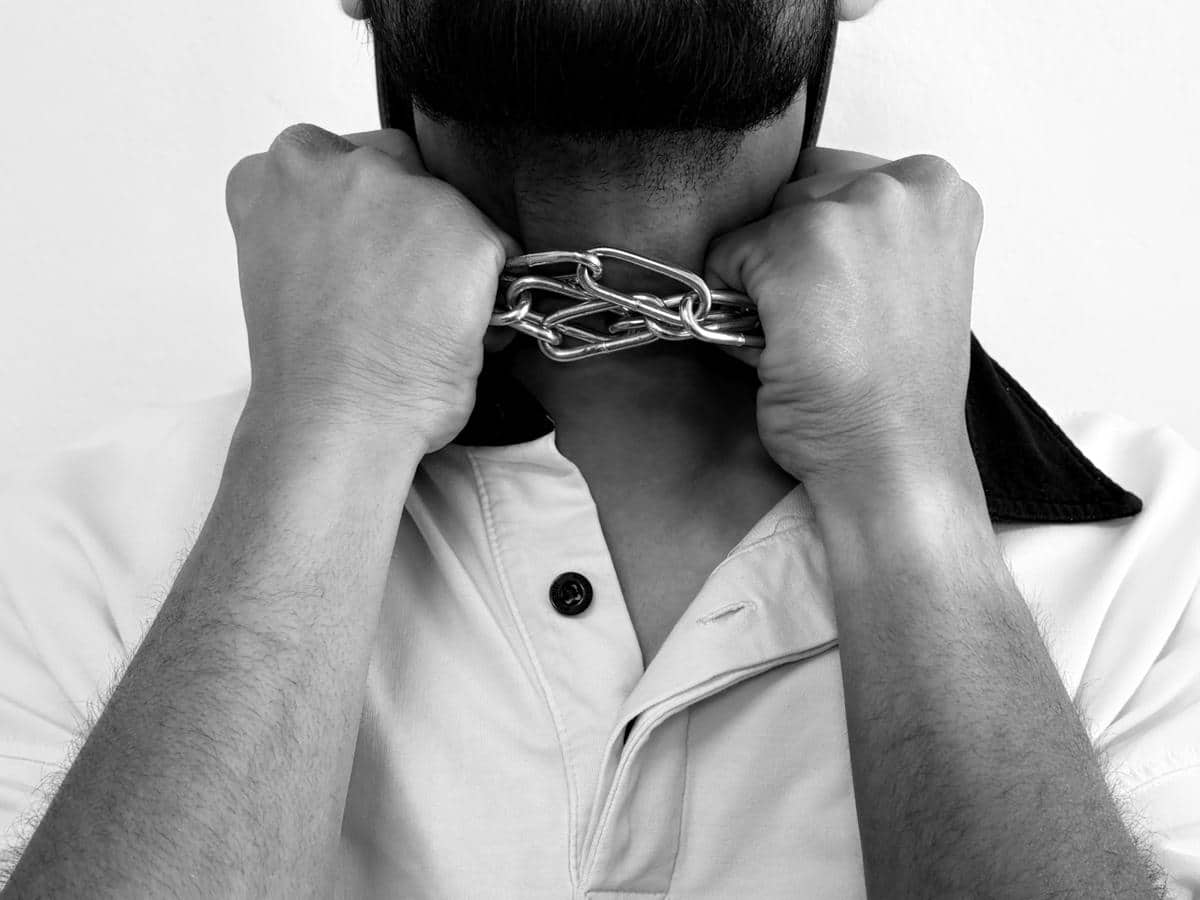
Healing. It’s a word that echoes within me every day, without rest. It’s not a passing thought, which comes and goes related to the question of how and when. Rather it’s something that lingers, like a shadow that follows you everywhere you go.
The process of healing does not follow a straight line. You think you know all the steps you need to take, that you prepared yourself for this moment if it happens. Until it happens, until you actually have to heal. All of a sudden the world can no longer hold you. It stops for a moment because the hole you have been dragged into is too small to fit you. So you find yourself climbing, trying to get out. Trying to breathe.
I sometimes wonder if I am too influenced by social media. I am obsessed with the idea of running away and starting over somewhere else. I wonder whether the idea is cowardly: escaping things rather than facing them. But, as a Palestinian even this is not an option. So I am left, stuck facing whatever life throws at me. Healing seems like a luxury we don’t have right now.
So Palestinians find different ways to cope with the tremendous trauma and loss. With the absence of accountability and justice, it feels like we are doomed to live our lives under occupation. We start thinking of the occupation as if it were just another of life’s obstacles, alongside downturns, diseases and death. But it affects everything. Life goes on. We are eager to live, and want to live. The idea of just surviving is not enough for Palestinians anymore. To exist is to resist, as simple as that. As I reflect on the way we live here, I find it full of contradictions. It feels bizarre that we laugh but we carry the sorrow of losing our loved ones to prison, to the diaspora and to murder. We create unforgettable memories with our families by flipping the Maqlouba on our farms, knowing we have received multiple demolition warnings from the Israeli Occupation Forces. A family from the north dances the dabkeh at a wedding just before the soldiers arrest the groom. We live in a complete paradox.
We mourn and we celebrate. We cry and we laugh.
Research indicates that it takes three generations to heal from generational trauma after it has ended. It is quite astonishing to think about this fact. It takes three generations to heal from generational trauma after it has ended.
“After it has ended” is the key phrase here. The timing is crucial to me, especially because we still live under the Israeli occupation in 2026. Let me break it down into little pieces to comprehend this massive thought process. The first generation who directly suffered the genocidal actions of the Nakba, Naksa, and the Intifidas – I could count more catastrophic events throughout our history since 1945 – does not heal from it, under any circumstances. The second generation, which consists of the children of those parents who survived, does not heal either. Only the third generation can heal. Half of them were born in the diaspora because their families were forcibly displaced. The other half lives in isolated pockets, cut up into pieces like a cake, in an open prison called the West Bank. But all that can happen “after it has ended”.
We still face it. We still endure war, trauma, arrests, home demolition, forced displacement, murder, genocide, ethnic cleansing, movement restriction, water control, curfews, military raids, harrasment, burning lands and sheeps. I could go on and on endlessly, because really, when does it stop?
But perhaps that is not the real question.
When will we get the chance to heal? And more importantly when will it get easier to breathe?