IRAQI KURDISTAN: CPT denounces escalation of violence in Turkish-PKK conflict

Facebook
Twitter
Email
WhatsApp
Print

CPTnet
5 August 2015
IRAQI KURDISTAN: CPT denounces escalation of violence in Turkish-PKK
conflict

We, Christian
Peacemaker Teams Iraqi Kurdistan, denounce the violence that has been resumed
by both sides, Turkey and PKK (Kurdistan Workers’ Party).

Since
20 July 2015, the killings “in retaliation” are turning more and more into a
war of retaliation, which is causing deaths of innocent people. Instead of
resolving the conflict, the attacks from both sides are escalating the
situation. The history of the conflict between Turks and Kurds goes too deep
and is too complex to be settled by weapons and blood. This is the reason why
we request both sides, Turkey and PKK, to take a step back, grieve for their
losses, and return to diplomatic ways to resume the peace talks.

In
striving for a solution, coming back to the table can be the only way. Peace is
victory, not war!
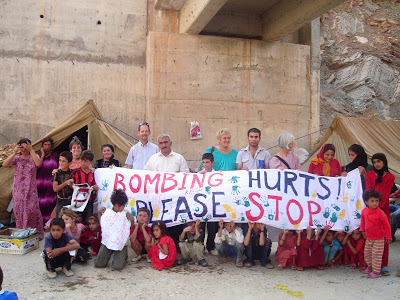
Kurdish villagers  in Zharawa camp displaced by Turkish bombing in 2012

Subscribe to the Friday Bulletin

Get Ryan’s thoughts and the entire bulletin every Friday in your inbox, and don’t miss out on news from the teams, a list of what we’re reading and information on ways to take action.

This site is protected by reCAPTCHA and the Google Privacy Policy and Terms of Service apply.

Read More Stories

A picture of a crowd from behind marching in a demonstration on a street

Possibility in community

Before the Covid-19 pandemic forced us all to stay indoors in March 2020, the island of Lesvos already felt locked down. For thousands of people,

Solidarity with those living in Lesvos CCAC

An open letter from Senegalese and Gambian residents of the Lesvos Closed Controlled Access Centre is the latest chapter in over a decade of migrant resistance against Greek migration policy on the Aegean islands.

A child walking along the road past a military vehicle

Fourth of July in Palestine

The author, a lifelong educator from the USA, is spending time with CPT Palestine in Al-Khalil/Hebron. Here, he acknowledges his own connection to settler colonialism and reflects on the impact of the occupation on education for young Palestinians.

Skip to content