
The “ceasefire” in Gaza is over. At 2am on Tuesday, Israel resumed its bombardment, killing over 400. They say it’s just the beginning. Israel’s Defence Minister has warned that “the gates of hell will open”, while Trump’s press secretary said “all hell will break loose.”
In the US the suspensions and detentions have continued: Leqaa Kordia, a student from the West Bank, was arrested and Indian Fulbright scholar Ranjani Srinivasan chose, in the ugly words of the Department of Homeland Security, to “self-deport” after her student visa was revoked; she had fled to Canada as DHS officials searched the Columbia university campus where she lived.
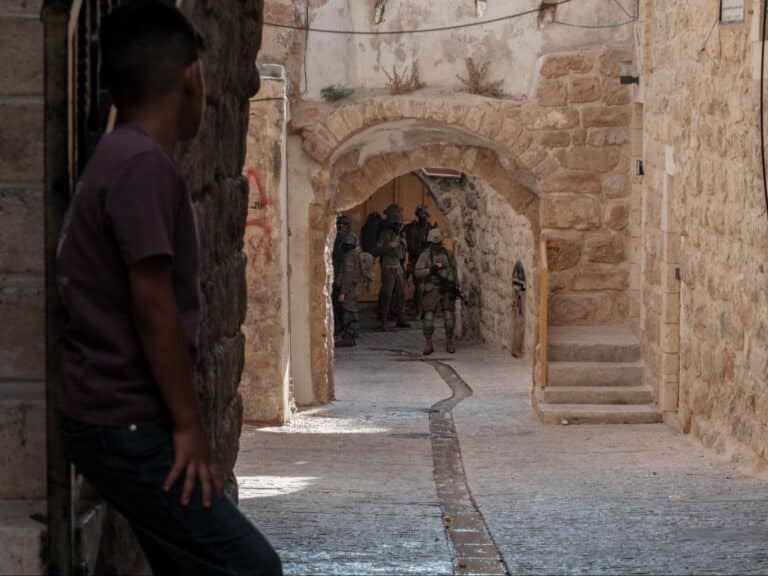
The raid on Srinivasan’s home is an echo of Palestinians’ daily experiences. In a letter from immigration jail this week, Mahmoud Khalil writes “I see in my circumstances similarities to Israel’s use of administrative detention”. This week a CPT Palestine team member describes the cruelty of Israeli Occupation Forces barging into their home; last month another team member described the harassment that accompanied their cousin’s release from an Israeli jail.
“Who has the right to have rights”, Khalil asks. “It is certainly not the humans crowded into the cells here.” Invoking the 1798 Alien Enemies Act, the US deported 238 Venezuelans, accused gang members neither tried nor convicted. They will be incarcerated in El Salvador in exchange for 6 million dollars a year. The US deported them despite the blocking order of a judge, who Trump later called a “Radical Left Lunatic”. Upon arrival the detainees were bent double, frogmarched, and shaved in front of the press. If that’s what they’ll do when the cameras are rolling…
Meanwhile in Greece, the government’s latest appointee as Minister of Migration is a man with history of involvement in openly fascist groups. He says his foremost responsibility is the “organisation of the pushbacks”, violent and illegal returns of migrants that, until now, the government denied existed.
The mood has undeniably shifted. Whereas before governments would deny or try to justify what was morally, legally and officially unacceptable, they now embrace it. What’s striking is the lack of shame.
Writing from Lesvos, CPT Aegean Migrant Solidarity explains why people all over Greece are taking to the streets in unprecedented numbers. Demanding justice for “yet another state crime”, demonstrators express “the frustration and exhaustion of a society that has watched its people’s lives devalued”. Across the world, outside the courts and detention centres, the embassies and arms factories, we are creating new frontlines.