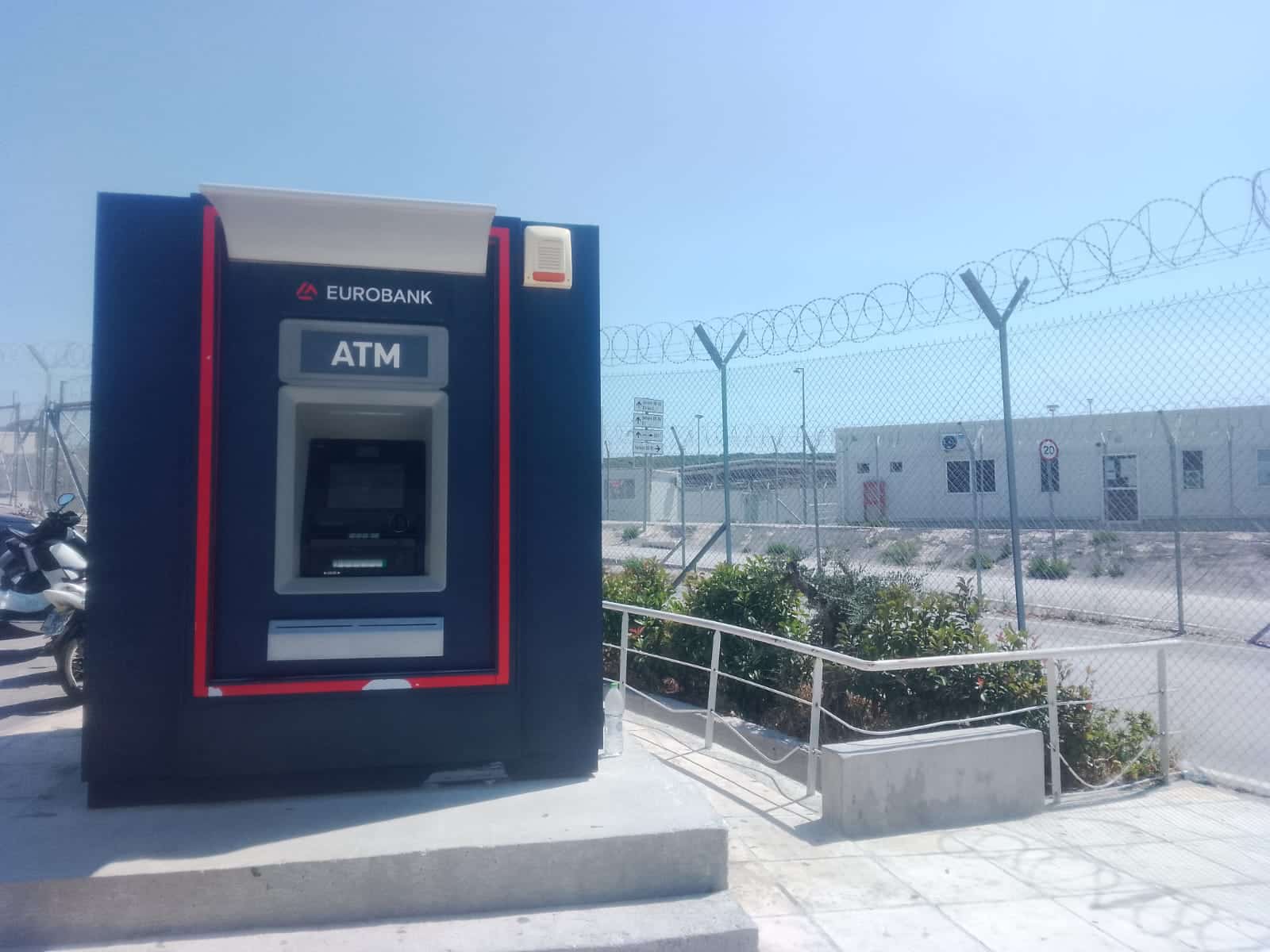
Asylum seekers in Greece have not received regular cash assistance payments since April 2024. The cash cards are used for the payment of the monthly allowances, to which asylum seekers are legally entitled. These continued delays have left people without a consistent income for almost 21 months, effectively denying asylum seekers their legal right to dignified living conditions. Although cash payments briefly resumed during the first months of 2025, their provision has been inconsistent, and since May 2025, no allowance has been provided at all. To date, there has been no communication from the Greek Ministry of Migration and Asylum on the cause of these interruptions, nor a clear update on when the cash assistance payments will resume.
The monthly allowance is intended to complement material reception conditions, such as housing and food and to support asylum seekers in meeting their basic needs. It is an obligation of the Greek state, enshrined in both EU and Greek law, and not a favour or a discretionary benefit.
The undersigned organisations work with asylum seekers accommodated in refugee camps across Greece. People have reported ongoing difficulties and distress over this nearly 2-year-long interruption in cash assistance. We are aware of numerous individuals and families, including people with vulnerabilities, who have reported severe and negative consequences due to the lack of cash assistance, severely impacting people’s ability to live with dignity. The lack of this minimal assistance makes it extremely difficult for people to meet their basic needs. Access to medical care is generally limited, and people are often unable to purchase essential medicines.
Since 2021, the allowance has been reduced by half on the grounds that food is provided in reception facilities through catering services. However, the food provided is often insufficient, of poor quality, culturally inappropriate, and most often fails to meet the needs of people with specific dietary requirements, including children, pregnant or lactating women and people living with diabetes.
In addition, asylum seekers are expected to cover the cost of personal hygiene items, as essential products such as soap, shampoo, sanitary pads, diapers, and similar items are consistently not provided. These are particularly basic necessities for women and children and are essential to ensuring dignified living conditions. Moreover, while cash assistance is not provided, there are no consistent alternative provisions in place to cover these basic needs through additional in-kind support within the reception facilities.
Most camps on both the Greek mainland and islands are in extremely remote locations, locations that are often far away from both essential services and NGOs providing social and legal support. The lack of cash assistance further exacerbates these challenges by removing people’s ability to pay for transport to access these services. In Samos, the Closed Control Access Centre (CCAC) is located 7km from the nearest town and costs 4 euro return on the bus. Without cash assistance, asylum seekers on Samos have reported regularly walking the 14km round trip to access service in Vathy. NGOs have consistently documented issues with the condition in the camp, including the lack of cooking facilities in areas for single individuals and longstanding concerns regarding both the standards and quality of food available in the CCAC. The absence of cash payments has exacerbated these pre-existing issues with the reception conditions in the Samos CCAC.
In Northern Greece, almost all reception camps are located in remote areas, requiring residents to rely on bus transportation to reach the nearest urban centres. Even in the Nea Kavala camp in Kilkis, the town of Polykastro, where basic services are available, is a 10 km round trip away. Other camps, such as Sindiki, are located approximately 40km from the city of Serres, a distance that is impossible to cover on foot, and 108km from the competent asylum office in Thessaloniki. Deprived of transportation and denied cash assistance even for basic travel needs, asylum seekers are left in conditions of despair and isolation.
The EU Asylum, Migration and Integration Fund (AMIF) continues to finance the cash assistance programme. The fund is intended to allow Greece to meet its legal obligations to provide material reception conditions to asylum seekers, which enable people to obtain a dignified standard of living.
While the situation has become particularly critical over the past twenty one months, problems with cash assistance payments have been prevalent in Greece since 2021 when the government took over the responsibility of their provision. Over the past 5 years, this issue has been raised in multiple NGO Statements in October and November 2021, March 2022, September 2024 and March 2025, highlighting persistent and systematic failures in the administration of the cash assistance payments across Greece. Whether this situation results from mismanagement or constitutes a deliberate policy choice arising from an increasingly restrictive migration policy, one that seeks to punish and dehumanise asylum seekers in order to serve as a deterrent, the inevitable outcome is the same: asylum seekers are subjected to inhuman and degrading treatment. The last 21 months have seen a significant escalation of these ongoing issues, placing additional pressure on asylum seekers across Greece.
Demands to the Greek State:
- Immediately resume payments of cash assistance to asylum seekers,
- Ensure that applicants receive backdated payments for the months of May 2024 to January 2026, even in cases where they have in the meantime received international protection,
- Ensure that cash assistance payments are made immediately following registration of an asylum claim.
Demands to the European Commission:
- Take action to ensure that EU funds disbursed for the purpose of cash assistance are properly managed by Greece, such that it meets its legal obligations, and people seeking international protection receive the support that they need to meet their basic human needs.
Signed
Avocats Sans Frontières France
Boat Refugee Foundation
Border Violence Monitoring Network
Changemakers Lab
Collective Aid
Community Pope John 23 Greece
CPT – Aegean Migrant Solidarity
DCI Greece
Δίκτυο για τα Δικαιώματα του Παιδιού
Ελληνικό Φόρουμ Μεταναστών
Ελληνικό Συμβούλιο για τους Πρόσφυγες (ΕΣΠ)
EmpowerVan
Equal Legal Aid
Equal Rights Beyond Borders
European Lawyers in Lesvos (ELIL)
Fenix Humanitarian Legal Aid
HIAS Greece
Human Rights Legal Project
I Have Rights
Inter Alia
Intereuropean Human Aid Association
International Rescue Committee (IRC) Hellas
INTERSOS HELLAS
Irida Women’s Center
Jesuit Refugee Service (JRS) Greece
Κέντρο για τα Έμφυλα Δικαιώματα και την Ισότητα – ΔΙΟΤΙΜΑ
Legal Centre Lesvos
Mazí Housing
Mobile Info Team
Northern Lights Aid
Project Armonia
Refugee Legal Support (RLS)
Samos Volunteers
Symbiosis
Θετικη Φωνη