These days it feels like the world is falling apart. Israel is committing genocide against the Palestinian people and is bombing several neighboring countries. Russia has been at war with Ukraine and other allies for the past 3 years in response to NATO encroaching on it and violating previous treaties. The western world is waking up to the horrors of the genocide in Sudan and Congo. The United States is now living in the midst of the government’s very “in your face” policies. These in fact have always been the policies of the USA, internally and around the world, only before they were disguised under the cloak of language of respect for human rights and defending democracy. For those of us who live a life of privilege, who do not suffer the extreme violence we are all seeing in the traditional and social media, it can really feel overwhelming. We are asking: “How do I respond?” “What can I do?” “Who do I trust, who is telling the truth?”
Sometimes the images and information are so horrible that we might even feel like we need to protect ourselves and avoid news all together.
I have felt this way several times over the past couple of years: “what can I do?”
I guess I count myself lucky. I find myself working with Community Peacemaker Teams in Colombia and honored to be accompanying a small rural farming/fishing community called El Guayabo. I remember that about 7 years ago or so it was hard to see how the community would be able to stay on the land. They had suffered several violent attempts to evict them and judicial threats from corrupt officials. The legal battle was difficult as institutions responsible for guaranteeing the basic rights of the community were failing them either by action or omission. Then in 2022 the community and the entire northern region of the municipality to which they belong suffered a humanitarian crisis caused first by flooding and then by severe drought, destroying all of their crops and killing over 10,000 cattle. It was really difficult to avoid feeling like there was nothing we could do. The community would lose their farmland and their livelihood.
Today, the process is thriving. The land issue was presented to a special land tribunal through the National Land Restitution Office. Evidence emerged of the violence that led to the community’s forced displacement, just as they had been denouncing for many years. They were ignored by the authorities, who instead believed the man who had committed the violence against the community, in the attempt to take the land by force and corruption.
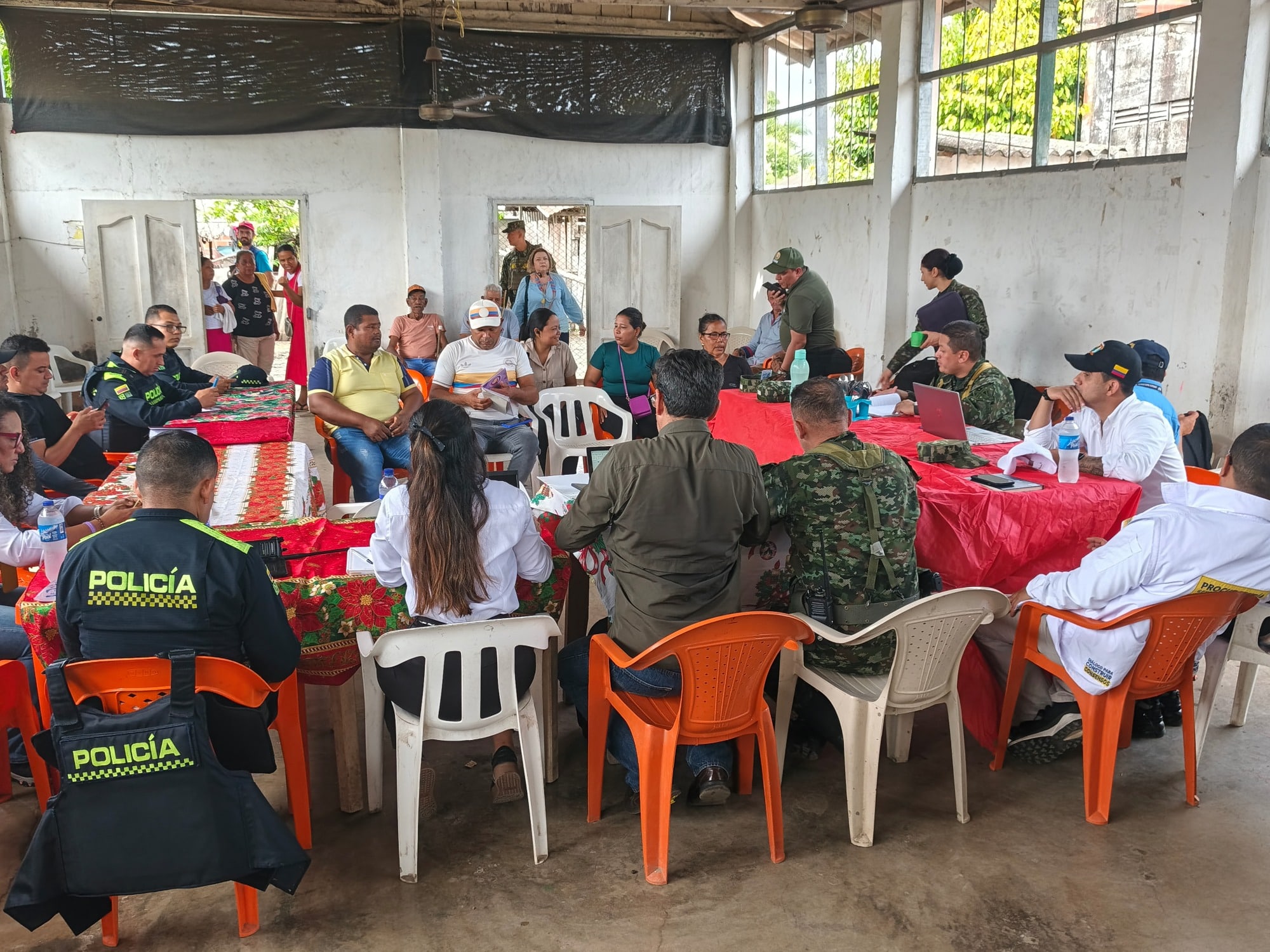
Just a couple of weeks ago, we gathered over 15 local, regional and national government agencies in El Guayabo to listen to the issues the community faces (lack of potable water, no access to healthcare, a school building which is in danger of crumbling down while children study inside, no access roads to facilitate the transportation of their goods to market etc). Serious commitments were made. Institutions responsible for overseeing and holding authorities accountable were present and are watchful of the process, giving more hope and legitimacy to the community’s demands.
Arriving at this point was not easy, nor did it simply happen overnight. It took the careful documentation of all the issues affecting the community, and the meticulous process of showing how the local, regional and national institutions had ignored the issues when presented with the evidence. This led to the filing of a Popular Action suit with the courts, who have ordered special protection measures, forcing institutions to finally take responsibility and respond.
El Guayabo is a small community in rural Colombia. Did changing the circumstances for this community do much in the grand scheme of things? I don’t know. But what I can say is that the lives of 300 families, who have lived in conditions of poverty and violence, could seriously change. This could then affect the lives of the rest of the northern region of Puerto Wilches. The snowball effect could continue.
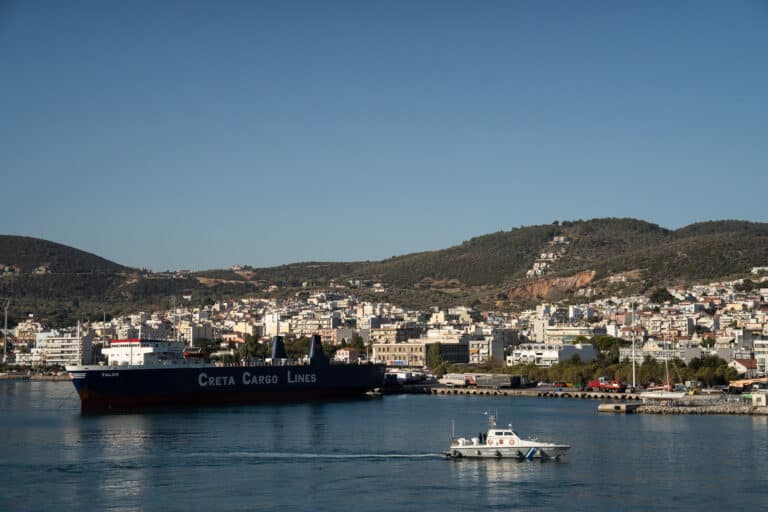
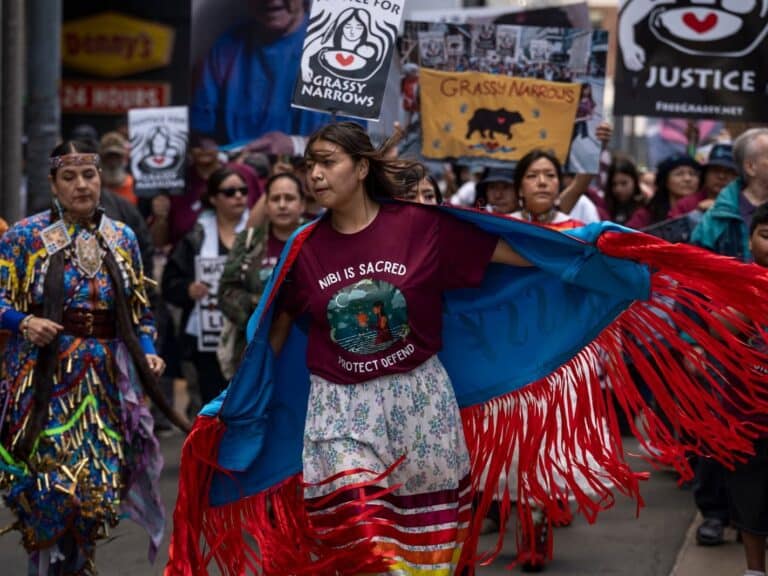
As I said earlier, I count myself lucky to be working with Community Peacemaker Teams. We work alongside and in communities challenging structures of violence and oppression in Palestine, Lesvos, Greece, Iraqi Kurdistan, Turtle Island (North America), and Colombia. Even though we can sometimes feel despair or don’t know what to do, our partners usually inspire us and show us the way we can invite you to join in the struggle. It can be something as easy and practical as signing your name to a petition to stop injustice (See our Say No to Vastria petition). Or you can join a delegation to one of the program sites and witness first hand the injustices taking place, showing your solidarity with our partners and letting them know they are not alone in their struggle, with allies all over the world. You can also make a financial donation. This work is only possible with your support.
And the easiest way of all to do something is to pray. Pray for yourself so you may receive God’s wisdom and guidance on how to live and challenge the injustices in the world. Pray for us CPT Peacemakers as we daily face challenges in supporting our partners. Pray for our partners as they continue to courageously confront violence and injustice, and do so with hope and determination that is an example to all.