Ramadan in Hebron, or Al-Khalil as Palestinians call it, is not just a month in the calendar. It is a season of the soul, a time when the Old City becomes more alive and more spiritual than any other time of the year. People embrace Ramadan, because according to beliefs in Islam, it is the Holy Month when the Quran came down from the sky to the Prophet Muhammad (peace be upon him). For Muslims, this month is full of mercy, forgiveness, and blessings. In Hebron, this is felt deeply in the streets of the old city and inside the hearts of the people.
The Old City of Hebron is very important for Palestinians. It is one of the oldest cities in the world, with history dating back thousands of years. The old stone houses, the narrow streets, the traditional markets, and the ancient doors all tell stories about generations who lived there. For Palestinians, the Old City is memory, identity, and belonging. When Palestinians walk in the Old City, they feel that they are walking in the footsteps of their ancestors, grandparents and great grandparents. It gives them a strong feeling of their roots, connection to the land, and to their people.
In Ramadan, this connection becomes stronger. People feel that they are not only fasting for themselves, but also to honour and protect their culture and heritage. The heart of the Old City in Ramadan is the Ibrahimi Mosque. This mosque is one of the most holy places in Islam, because it is believed that Prophet Ibrahim (Abraham) is buried there. Many Muslims from different cities try to come to pray there during Ramadan, especially in the nights of Laylat al-Qadr, the night that is better than one thousand months.
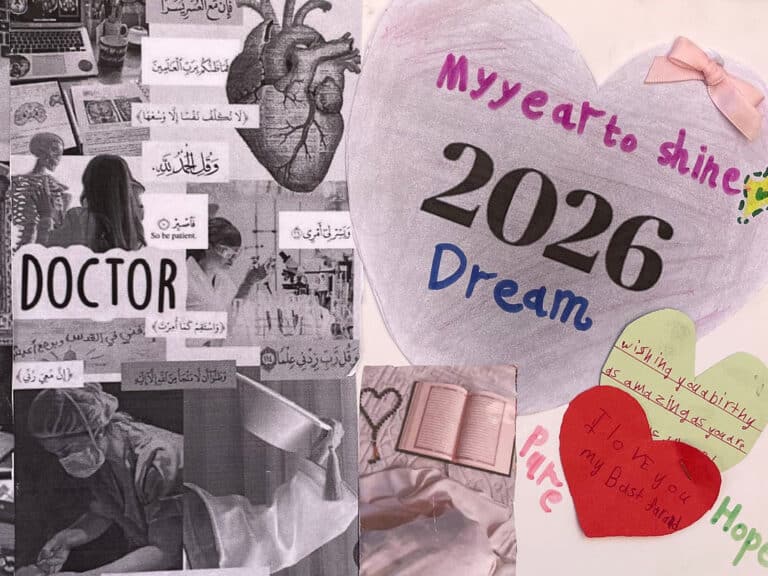
During this holy month, the mosque is full of worshippers. The sound of Quran recitation is everywhere. People stand in long rows for Taraweeh prayer. Some cry while they are praying, because they feel very close to God. Ramadan is the month when the Quran was revealed, and this makes people want to read it more and understand it more. In the Old City of Hebron, you can see young and old people carrying the Quran, sitting in small circles after prayer to read and reflect. It creates a spiritual atmosphere that is very special and cannot be described easily.
But like all aspects of life in Hebron and Palestine, this experience is shaped by the Israeli occupation. There are checkpoints and closures around the Ibrahimi Mosque and inside the Old City. Sometimes worshippers are not free to reach the mosque easily. There are days when young people under 20 years old are not allowed to enter. This makes many families feel sad and frustrated, because Ramadan is a time when families want to pray together and share the spiritual moments. The restrictions make people feel that their right to worship freely is limited, especially in a holy place that means so much to them.
Also, the presence of Israeli settlers in the Old City is part of the daily reality. Settlements are built near Palestinian houses, and settlers stormed the Old City under the protection of soldiers. Some streets, such as Martyr’s Street (Shuhada Street), are fully closed to Palestinians but open for settlers. This makes movement difficult and sometimes creates tension – which is their intention. In Ramadan, when people are fasting and trying to focus on prayer and peace, these pressures feel heavier. Still, many Palestinians insist on coming to the Old City and to the mosque, because they believe that their presence is important and meaningful.
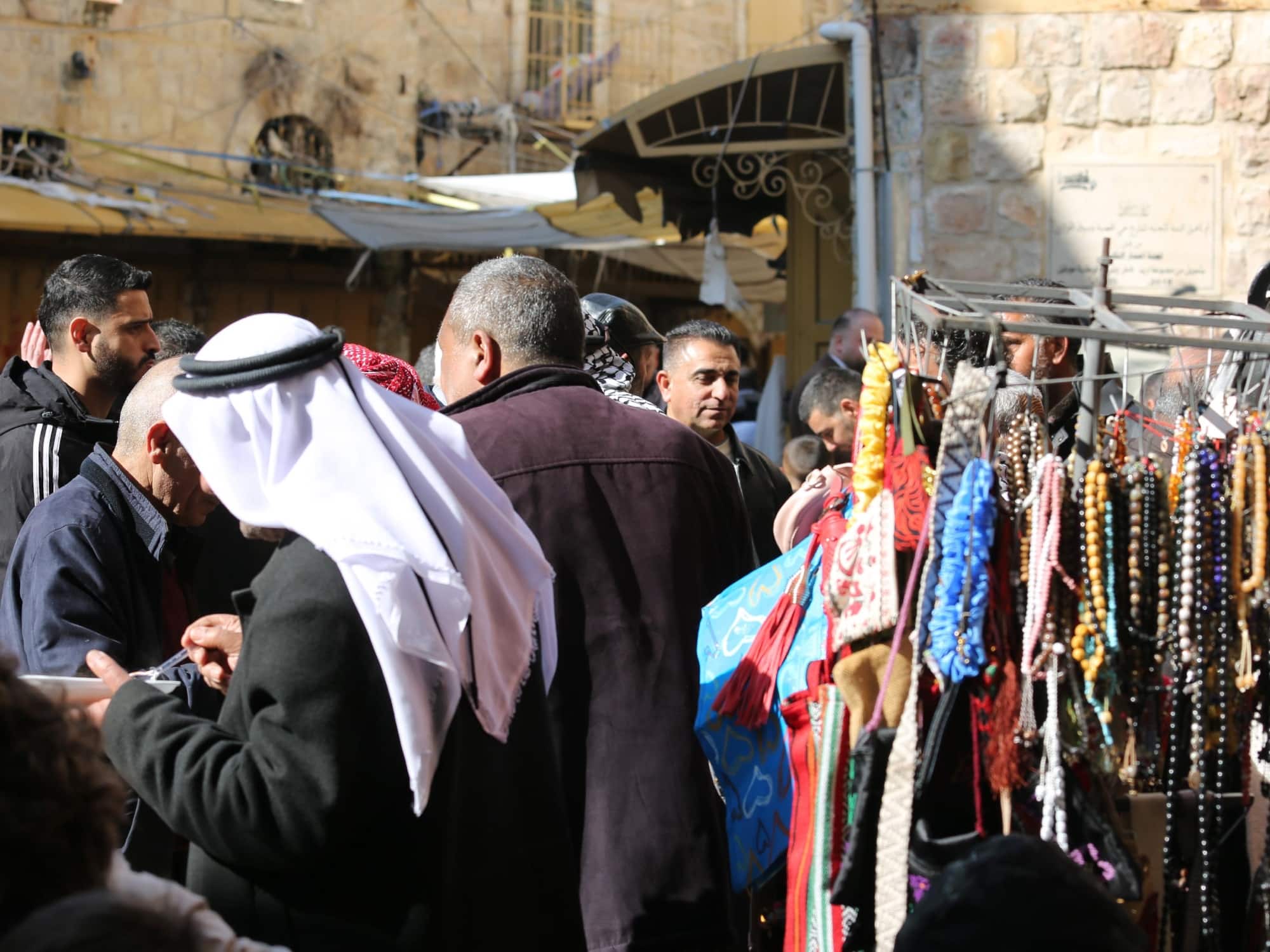
Ramadan also brings life back to the markets of the Old City. The old market of Hebron is famous for its traditional shops, spices, sweets, clothes, and handmade products. During normal days, some parts of the old market are quiet because of the difficult situation. But in Ramadan, the market becomes more active. Before iftar, you can see many people shopping for food, dates, juice, qatayef, and other traditional sweets. The smell of spices and fresh bread fills the air. The voices of shopkeepers calling customers make the place full of energy.
Shopkeepers are very happy during Ramadan. Many of them wait for this month because it brings more customers and more movement to the Old City. They decorate their shops with lights and Ramadan lanterns. Some of them play Quran recitations or nasheed inside their stores. They feel that Ramadan not only increases their income, but also brings joy and social life. When the market is active, it gives hope to the shopkeepers and makes them feel that the Old City is still alive.
At night, after Taraweeh prayer, the streets of the Old City become full again. Families walk together, children eat sweets, and young people sit in small groups talking and laughing. The old stones shine under the lights. Even people who live outside Hebron come to visit the Old City in Ramadan, because they want to feel this special atmosphere. It is like the Old City is breathing again, full of life and movement.
Iftar time is one of the most beautiful moments in Ramadan. When the call to Maghrib prayer is heard from the mosque, people hurry to break their fast. Many families gather around one table. In the Old City, sometimes big iftar tables are prepared in the streets or near the mosque. Neighbors share food with each other, and some people distribute water and dates to worshippers. This gathering brings us together with strong feelings of unity. Rich and poor sit together. Everyone feels that they are one community.
Ramadan teaches patience, generosity, and solidarity. In Hebron, these values are very clear in the Old City. People try to help each other more in this month. Some charities distribute food packages to poor families. Some young people volunteer to clean the mosque or organize the crowd. All of this makes Ramadan a space for spiritual and social gathering.
The Old City of Hebron is important not only because of its history, but also because it represents the Palestinian presence and identity. In Ramadan, this meaning becomes more clear. Despite closures, checkpoints, and tensions, people continue to come. They pray in the Ibrahimi Mosque, they shop in the market, they sit together for iftar, and they read the Quran. They show that the Old City is not empty, but full of life and faith.
In this holy month, when Muslims believe that the Quran came from the sky as guidance for humanity, the Old City of Al-Khalil becomes a living example of faith and patience. Ramadan gives people strength to continue, hope for better days, and a deep connection to God. It also gives life to the markets and happiness to the shopkeepers. It gathers families and neighbors together.
For many Palestinians, Ramadan in the Old City of Hebron al-Khalil is not only a religious practice. It is a statement of belonging, a protection of heritage, and a renewal of spiritual energy. Even with all challenges, the Old City stays alive in Ramadan, shining with prayer, community, and strong faith.