
Amid the arbitrary decisions imposed on Palestinian prisoners, the denial of medical treatment, the restriction of family visits, and the withholding of adequate food seem increasingly like a slow and deliberate death sentence. Following the vote in the Israeli Knesset on 30 March to approve measures towards the execution of Palestinian prisoners, prisoners’ reality has become even more alarming. What was once a system of prolonged suffering now carries the looming threat of legalized execution, placing thousands of lives in immediate danger.
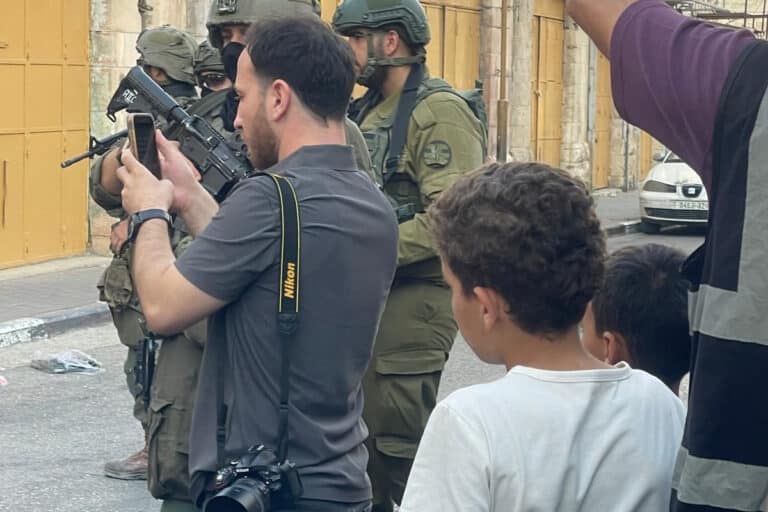
These prisoners, many of whom are detained for acts connected to defending their land and communities, endure daily suffering far beyond the deprivation of freedom. Their land has been occupied, their homes threatened or taken, and yet they are the ones who are criminalized. They are often charged for throwing stones, resisting incursions, or standing against settlers who have come from abroad to claim what is not theirs.
Today, there are more than 9,800 Palestinian prisoners held in Israeli jails. Many are subjected to daily violence, humiliation, and neglect. Medical care is routinely denied or delayed, leaving prisoners to battle serious illnesses without treatment. Some have died as a direct result of this neglect, their pain ignored until it was too late. Inside overcrowded and unsanitary cells, diseases such as scabies spread easily, further worsening already unbearable living conditions. Food is insufficient, often limited to one meager meal a day, barely enough to sustain life.
Those who are eventually released often return to their families unrecognizable, physically weakened, emaciated, and psychologically scarred. Their suffering does not end at the prison gates; it follows them home, etched into their bodies and memories. Within these prison walls are fathers separated from their children, mothers torn from their families, and young people whose futures have been put on hold. They leave behind empty spaces, memories in homes that still echo with their absence.
For the families waiting outside, the pain is constant and unbearable. Now it is intensified by fear of execution. Mothers live with the terrifying thought that they may never again embrace their sons, not because of time lost, but because of a sentence that could take their lives. Children grow up longing for the presence, love, and protection of their fathers, while fearing that reunion may never come. Parents ask themselves each day: will we see them again, or will they be taken without even a final goodbye?
In the face of such injustice, we must not remain silent. Let us pray for every mother who waits with hope and sorrow intertwined. Let us pray for every father yearning to hold his children again. Let us pray for the sick who suffer without care, and for strength for those enduring unimaginable hardship behind bars.
Let us not forget them. Let us carry their stories, speak their names, and raise our voices against injustice. Let our prayers be joined with action, and our solidarity be a light in the darkness of their captivity.