 A year and a half after Colombian riot police forced 123 subsistence farmer families off their land in Las Pavas to make way for palm oil production, the com-munity’s steadfast efforts to regain their land are bearing fruit.
In a development that community leaders called “a move towards justice,” The Body Shop announced in late September that it will no longer purchase palm oil for its cosmetics from its Colombian supplier, Daabon.
“This is a great step forward because it will send a clear message to companies who commit abuses that they will lose business,” said Banesa Estrada, lawyer for the Las Pavas community.
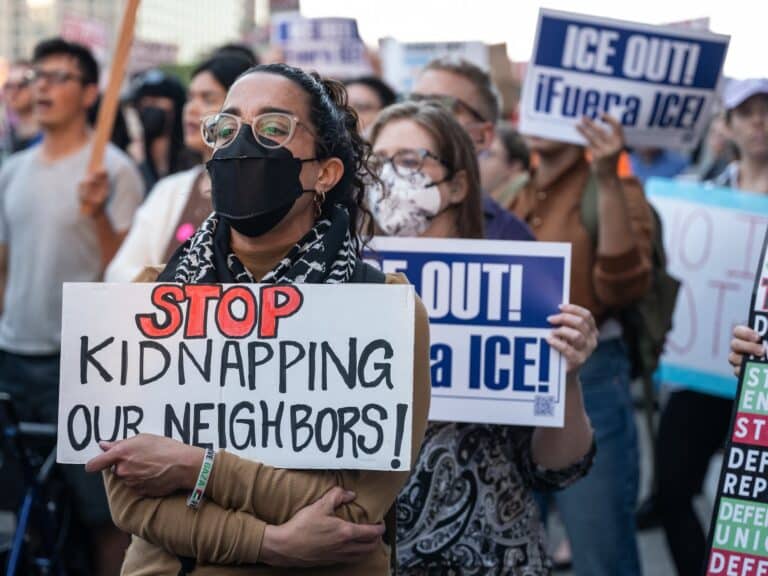
The displaced families had asked supporters to pressure The Body Shop to cut ties with Daabon until the company returns the land and compensates the community. CPT helped coordinate an international campaign of corporate-level conversations, grassroots letters, and public witness actions at Body Shop stores, some including nonviolent civil disobedience which resulted in arrests. It worked.
 Daabon officials lamented The Body Shop’s decision, pointing a finger at “activists in front of Body Shop outlets in Chicago” (El Espectador, 4 October 2010), and within a few weeks announced plans to withdraw from Las Pavas.
CPT Colombia joins displaced farmers from Las Pavas in cautious celebration of Daabon’s yet unfulfilled promise, and sincere gratitude for the national and international solidarity that helped foster this development.
Though the future of their land remains uncertain, community members continue to press for justice. “What we want is for our whole region to be able to recover from the damage the palm companies have already done,” said a representative of the displaced farmers. Their recent public statement calls for:
- The guarantee of a safe, sustainable, dignified and immediate collective return to the territory of Las Pavas.
- A quick response to the current food crisis caused by the dispossession.
- An immediate end to palm cultivation in our territory and its devastating effects.
- National and transnational companies linked to the palm industry to respect human rights and protect the sustainability of environmental, social and cultural development.