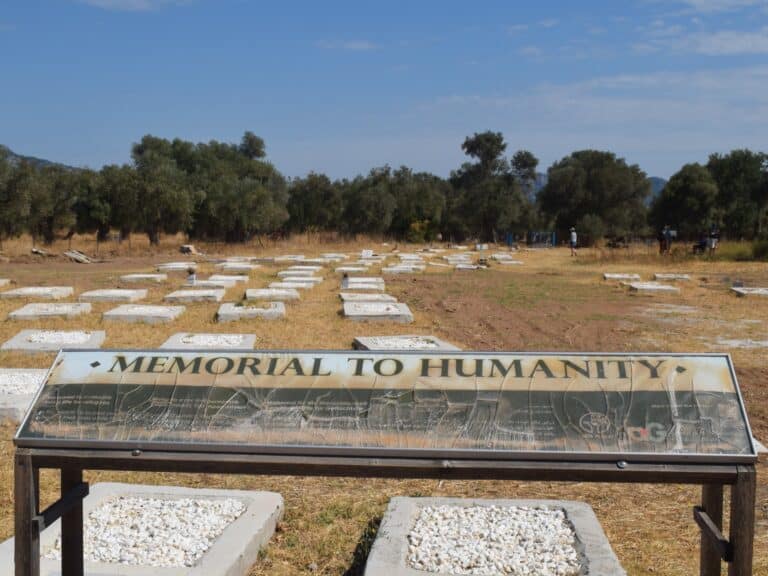
 At the Iraq/Iran border, in a beautiful mountainous area called Kanispi (which means white spring), lies a field of landmines. The beauty of nature and malicious politics form a death trap for those inheriting the land.
Mr. Mahmud has been struggling to live in that beautiful borderland for decades. Saddam destroyed the nature and lives of the farm families there. Mr. Mahmud’s family restored it at a very high price – the loss of one brother, one son, and one leg.
Now Turkey and Iran are using the same methods of destruction. Heavy bombardments force people to give up their way of life.
The United States government shares intelligence with Turkey to help Turkey andcontinued p. 12Iran combat opposition groups. But often those attacks are on civilian villages.
Mr. Mahmud wants the three countries to stop their military actions so he can clear the landmines from the field.
According to a local rehabilitation center, SACH, there are 6 to 8 million landmines in Iraq; more than 19,000 villages are affected and the number of victims of landmines has reached 9,000.