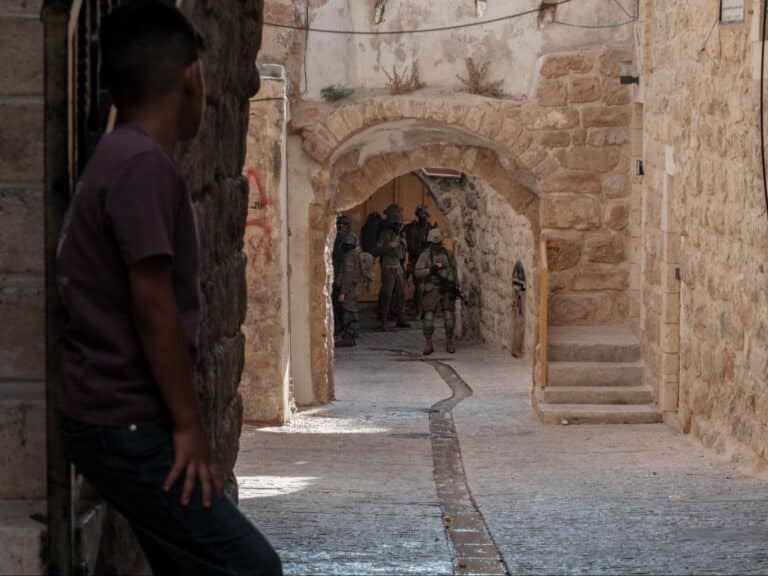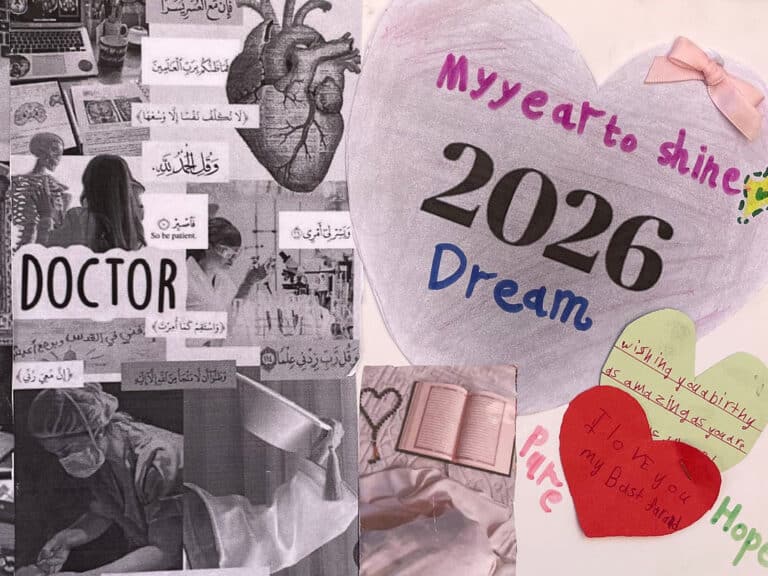

Last week, masked agents snatched Rumeysa Ozturk from the street outside her Massachusetts home and disappeared her into one of the US South’s notorious immigration detention facilities. Ozturk, a thirty-year-old doctoral student, is one of a growing number of overseas students subject to summary deportation procedures for standing with Palestine. She now shares a fate with undocumented people whose kidnappings make no headlines, whose lives are made unliveable in the hope they give up and go “home”.
When I lived in Lesvos, masked men were everywhere. They drove through villages in unmarked cars in the dead of night, looking for newly-arrived migrants. Their task was to remove any trace that migrants had landed on the edge of Europe, tracking them through the island’s coastal woods, bundling them off in vans before boarding them on Coast Guard vessels and abandoning them in the middle of the sea. Sometimes people died. The question we asked ourselves in those years was “which of our neighbours has killed?”
In the last few weeks, Greece has appointed a far-right Minister of Migration who speaks openly of his duty to perform illegal, often-deadly pushbacks, and has appointed as Coast Guard Chief a man referred to maritime prosecutors for his role in the Pylos shipwreck, in which over 650 migrants drowned amid allegations of Coast Guard culpability. Yesterday morning we awoke again to news of a shipwreck off the coast of Lesvos. Twenty-three people were rescued and 7 were found dead, one child still missing. Friends could see the search-and-rescue operation from their homes. A photograph of their dinghy showed its plastic bottom ripped apart. The local press called it a “floating coffin”, saying “the traffickers pushed them to certain death in an utterly murderous act”. A young man was arrested as the trafficker; he was among the passengers. Survivors are beginning to speak out, testifying that a Coast Guard boat approached them and punctured the dinghy with a harpoon.
A local group has warned that “Europe’s mask of ‘inclusivity’ has been replaced by the mask that hides an executioner’s face in the Aegean sea.” The mask induces fear, indicating the presence of a state agent willing to cross any legal or ethical line because, officially, they aren’t there. It creates deniability, plausible enough for those who wish to turn a blind eye. But it also suggests that those wearing it have their own fears – of being caught in the act, recognised, held to account.
For a long time I’ve sought ways to adjust the frame. Our language too often reduces migrants – in Europe, people from Africa and the Middle East – to objects of pity defined only by their traumas. Border guards become omnipotent; a friend of mine, a lawyer who tries to hold them accountable, says they think of themselves as “Gods of the Sea”. For now I can only offer a juxtaposition.
In 1974, Khosrow Golsorkhi, a Marxist poet and journalist, was framed for planning to kill the Shah of Iran. The country’s secret service was humiliated by a growing guerrilla movement. It needed to foil a plot. The plan was political theatre: in a televised show-trial, Golsorkhi and his co-defendants would admit guilt and receive the death sentence; the Shah would intervene and benevolently commute the sentences. Instead, Golsorkhi put the Shah himself on trial. In front of the cameras he told the court that Iran’s torture chambers were filled with young people whose crime was “thinking, reflecting and reading books.” “I am not here to haggle over my life”, he told the judge, “you have no choice but to execute me”. The cameras were ordered out of court, and Golsorkhi got the death penalty. Facing the firing squad, legend has it that Golsorkhi refused the blindfold, forcing the soldiers to look him in the eye. Whatever coming tragedy would overshadow it, over the next few years the tale of his defiance would help to bring down a King.