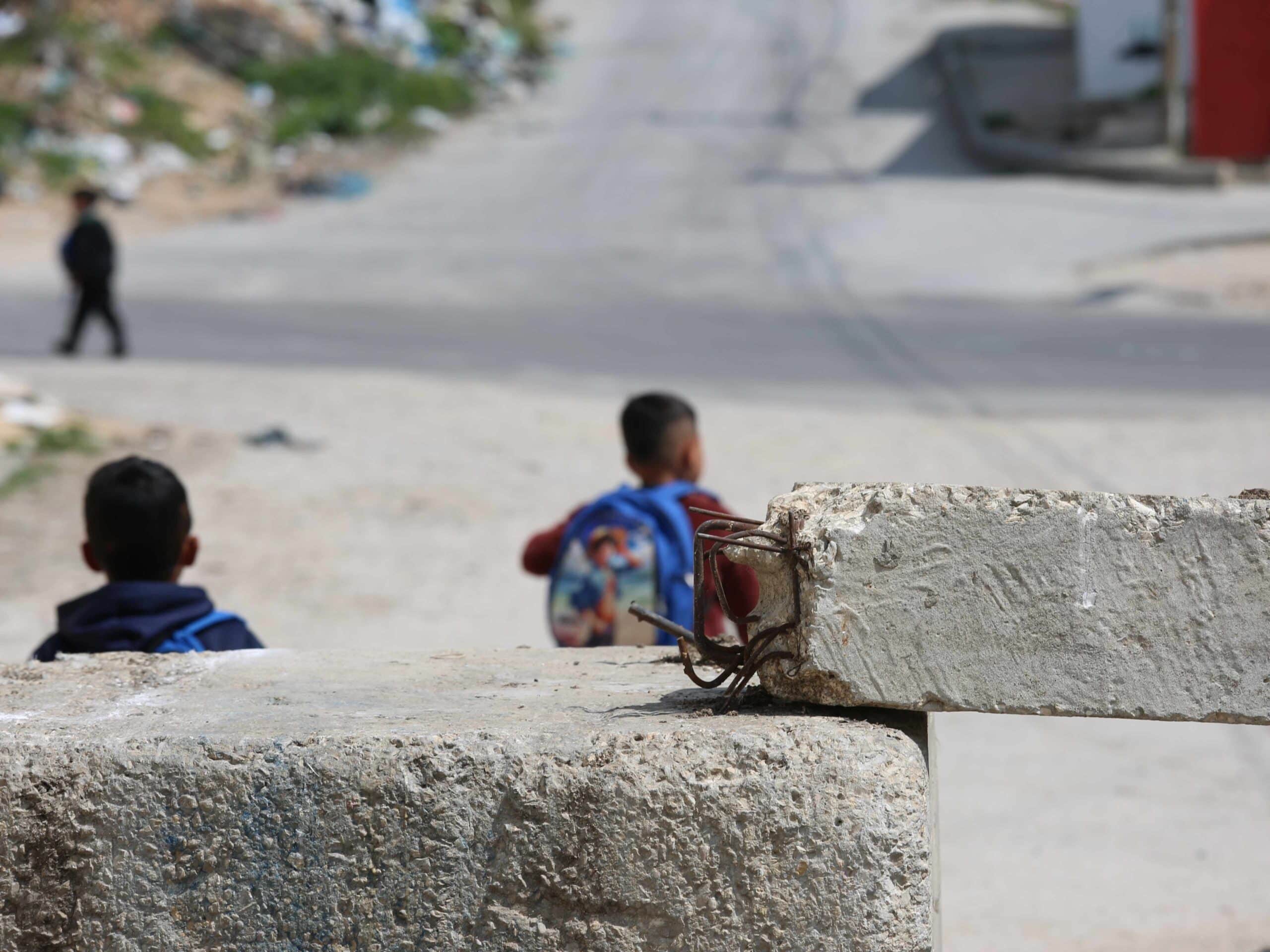
In the face of occupation, even the path to education can be a struggle. Community Peacemaker Teams (CPT) is an international organization dedicated to promoting peace and justice in areas affected by conflict and violence. Through nonviolent action and partnerships with local communities, CPT works to reduce oppression and support human rights.
CPT is present in several regions around the world, including Iraqi Kurdistan, Palestine, Colombia, Lesvos (Greece), and works with Indigenous communities on Turtle Island (North America). Its efforts focus on accompanying vulnerable populations, documenting abuses, and advocating for lasting change through peaceful means.
The Palestine team is based in the city of Al-Khalil/Hebron, where we work in solidarity with Palestinian communities, particularly in the H2 area and the South Hebron Hills. Our mission is to support Palestinian-led nonviolent resistance to the Israeli occupation through presence, documentation, advocacy, and accompaniment.
Since being invited to Hebron after the 1994 Ibrahimi Mosque massacre, CPT has remained active, monitoring checkpoints, documenting human rights violations, and standing in solidarity with oppressed people. We also run creative projects like Stories Within Stones, which documents the oral history of the Old City, and Through Their Lens, a photography mentorship for children.
CPT’s work amplifies the voices of those resisting oppression and builds international awareness and advocacy around the situation in Hebron.
Since 2002, CPT Palestine has been accompanying Palestinian children to and from school, ensuring their safety in the face of Israeli military checkpoints and settler harassment.
The goal of the school accompaniment project is to ensure the safety of Palestinian children as they pass through military checkpoints to access their right to education. The project also aims to raise awareness of the obstacles children face under occupation and advocate for their right to education. The vision is to create a safe, supportive environment for students, enabling them to pursue education while fostering global solidarity and awareness of the challenges they endure.
Since 7 October 2023, the conditions for Palestinian children reaching their schools have worsened. Increased restrictions at Israeli checkpoints have made it harder for children to exercise their right to education. This report highlights the period of the last semester, from September 2024 to January 2025, detailing incidents and challenges children faced trying to pass through checkpoints to attend school, showing the growing obstacles in their daily lives.