
Under occupation, even the most ordinary milestones can put you in the crosshairs. This week, two members of CPT Palestine reflect on how daily life is made a site of intimidation and control. Their stories show how routine worries – parenting and growing up – are exacerbated by life under the watchtower.
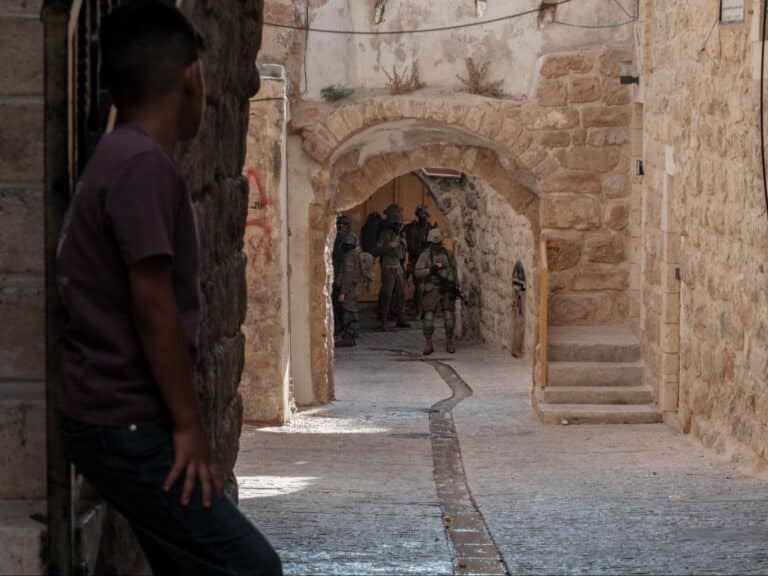
In “Too tall for them to believe you”, Shahd Al Junaidi asks what it means for a child to appear older than their years in Hebron. The world over, tall kids bear the weight of “grown up” expectations, their perceived age clashing with their emotional development. But in the occupied West Bank, looking older than you are can get you punished, restricted from spaces, and denied basic rights. Shahd tells the story of arriving at the scene as Israeli soldiers arrested a 14-year-old boy. His anxious mother told her, “he’s tall, he looks older, and they won’t believe he’s a child. They told me they beat him and took him away. But he’s still young, really, he’s just a boy.”
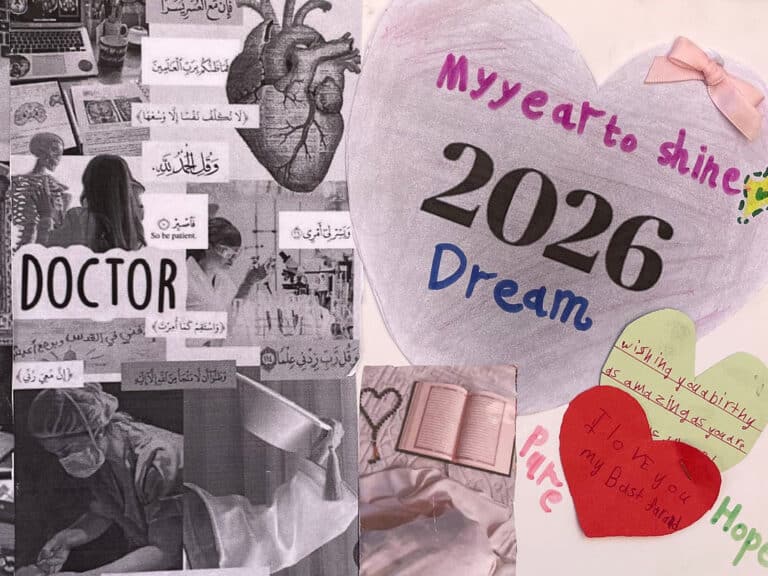
Danya Nasereddin reflects on this anxiety further in “Motherhood in doubt”. As if the doubts of expectant motherhood aren’t big enough, in Palestine they are overshadowed by another question, “how am I to be a mother under occupation?” Fears haunt the question of motherhood: will I be arrested and taken away in front of my children? Will they be arrested and taken away from me? Will I live long enough to raise them? Even in asking these questions, has the occupation succeeded, controlling my most private choices? There are no easy answers.
A couple of weeks ago I wrote for this Bulletin about the book I was reading, Perfect Victims, which has been described as an “urgent affirmation of the Palestinian condition of resistance and refusal”. It opens with lines borrowed from Belfast-born poet Padraic Fiacc, whose childhood home was burned down by an anti-Catholic mob.
And the men are men and the women are men.
And the children are men!
In other words, nobody is innocent in the occupation’s eyes. The watchtower’s shadow makes a threat out of everyone it touches. Reading these reflections reminded me of those lines.
Still, the stories are told, the children are born and loved, and the day of freedom is anticipated by assertive, defiant life.