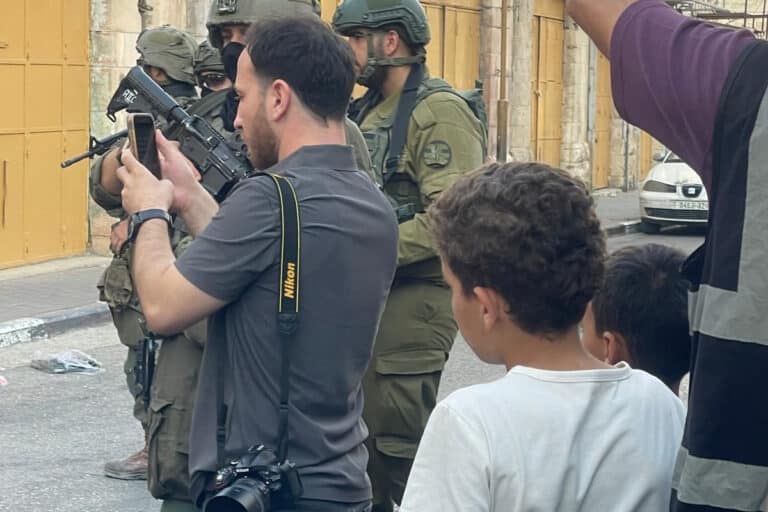
When children run
In most places, children running signals joy. Here in occupied Palestine, it is often a sign that the army is nearby. This sight is common

In most places, children running signals joy. Here in occupied Palestine, it is often a sign that the army is nearby. This sight is common
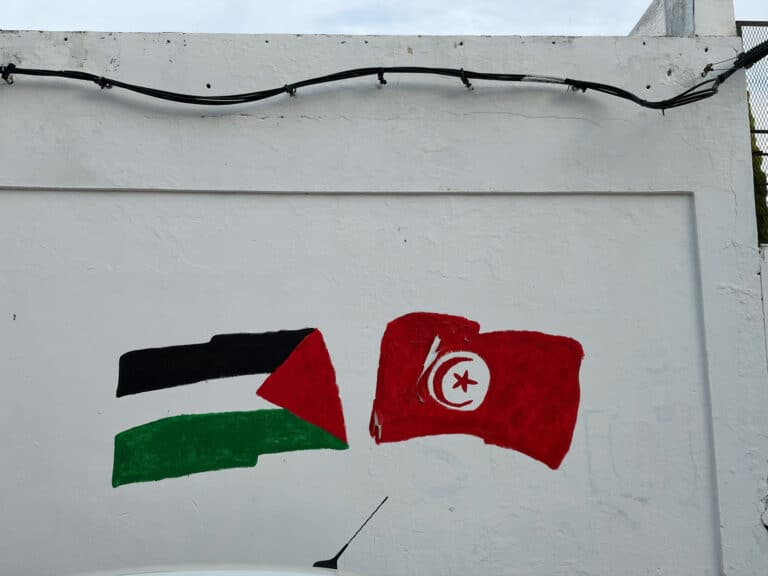
What if the most painful displacement is not leaving home, but returning to discover that the place you love is slowly being made to forget you?
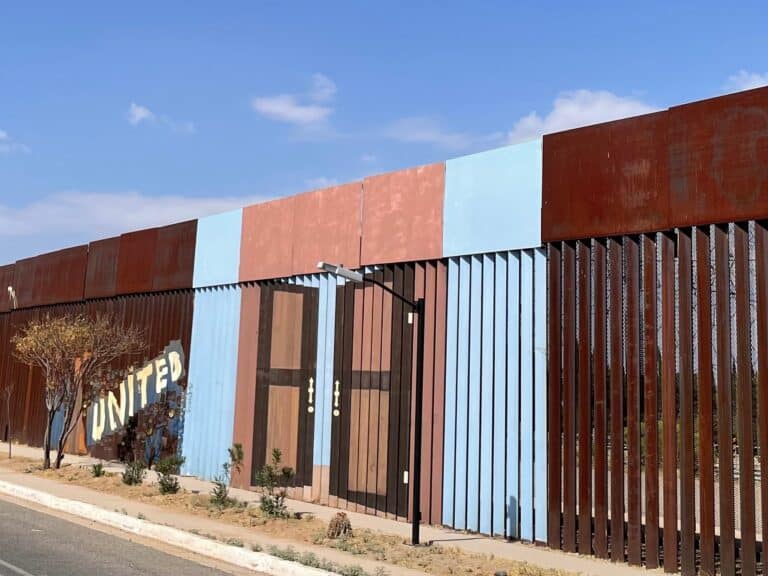
After a CPT delegation in the US-Mexico Borderlands, David Leaman joined our team in Palestine. In both places, he came across oppressive dividing walls. Here, he reflects on their role as colonial tools, and the common call of CPT in different parts of the world to dissolve them.
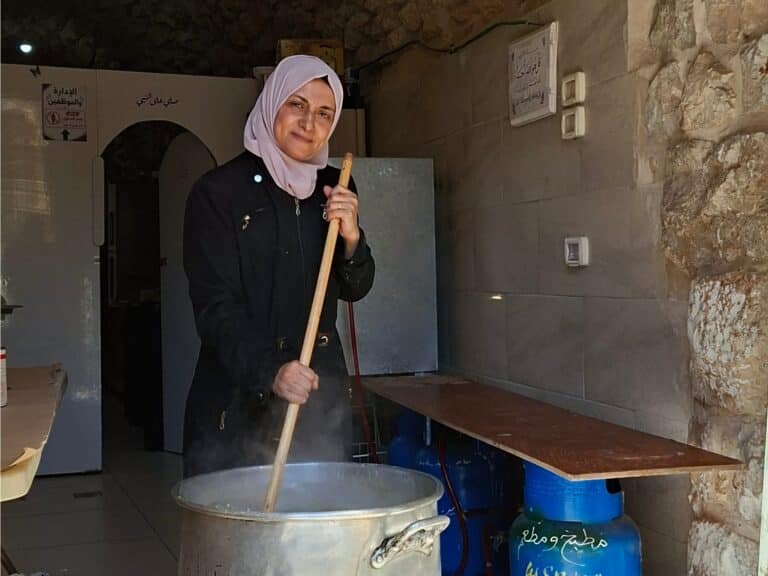
On Zqaq El-Dah street, examples of beautiful resistance abound. Maggie Hindley introduces us to the people of Hebron’s Old City.
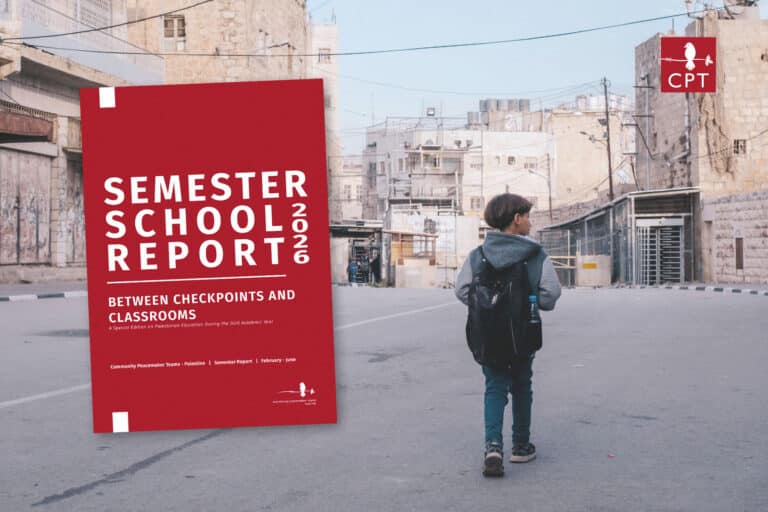
As checkpoints, military restrictions, settler violence and war disrupt Palestinian children’s education, students, teachers and families describe the daily struggle to learn—and resist—under occupation.
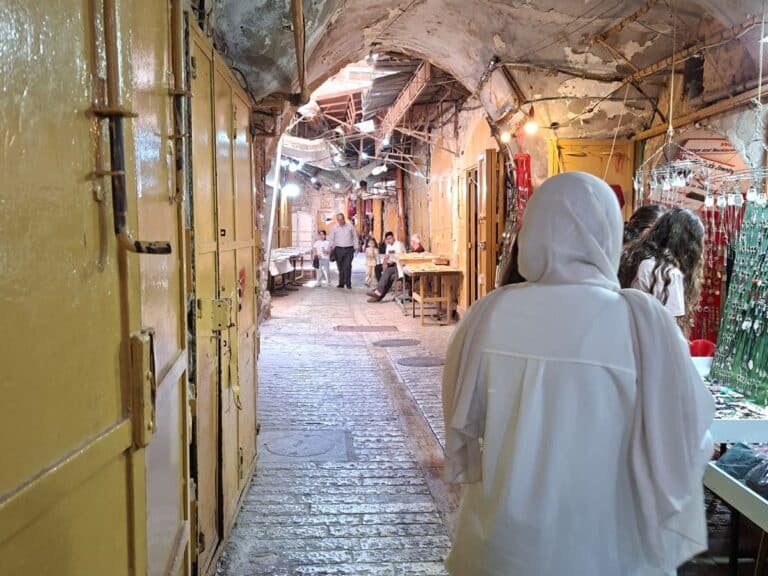
In a cafe, In Al-Khalil, five teenage girls approached me, an older white woman, and asked lots of questions. Is love real? was their last
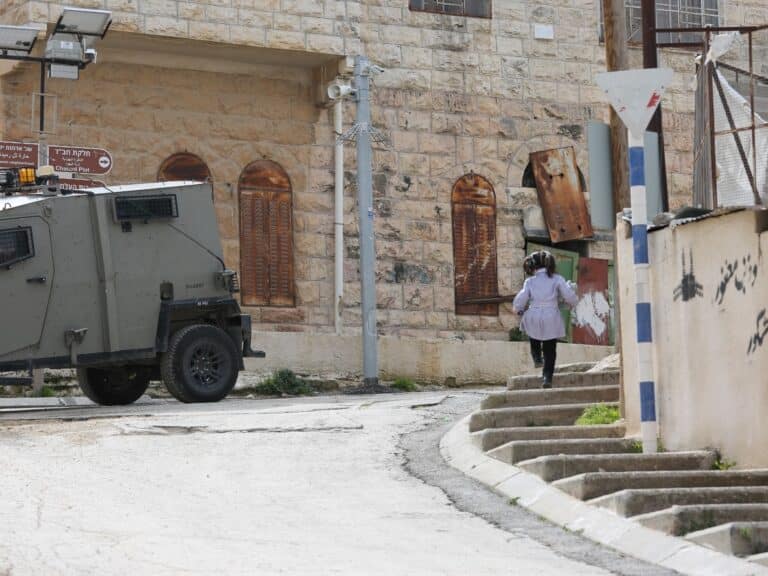
The author, a lifelong educator from the USA, is spending time with CPT Palestine in Al-Khalil/Hebron. Here, he acknowledges his own connection to settler colonialism and reflects on the impact of the occupation on education for young Palestinians.
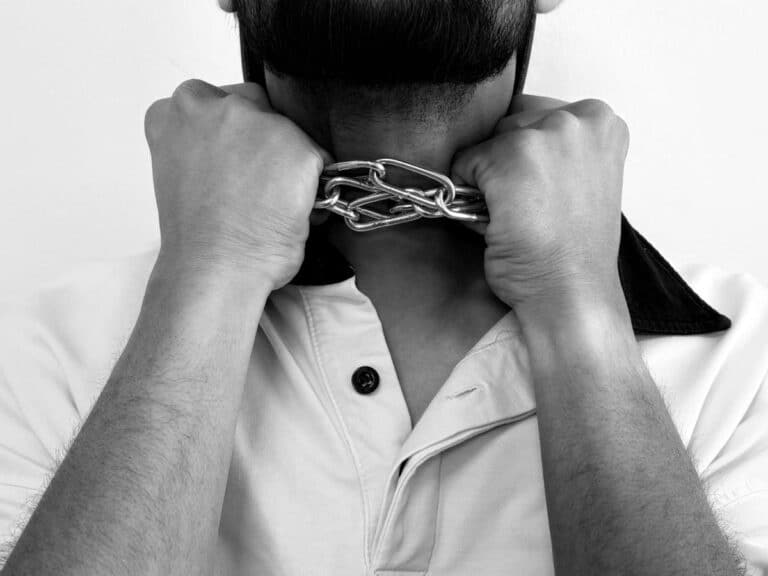
Danya Nasereddin reflects on the toll of intergenerational trauma and the process of Palestinian healing.
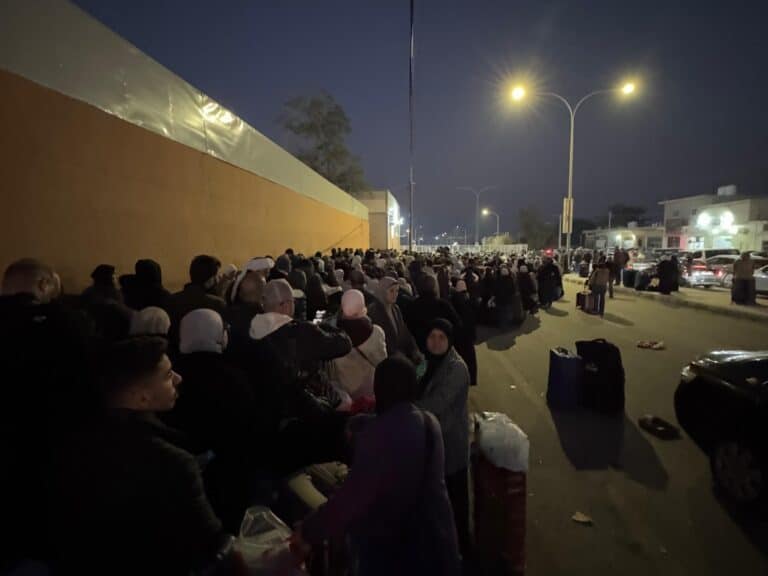
Just before sunrise, in the middle of June, at 4am, the team and I headed out of our homes, reaching out to our parents for
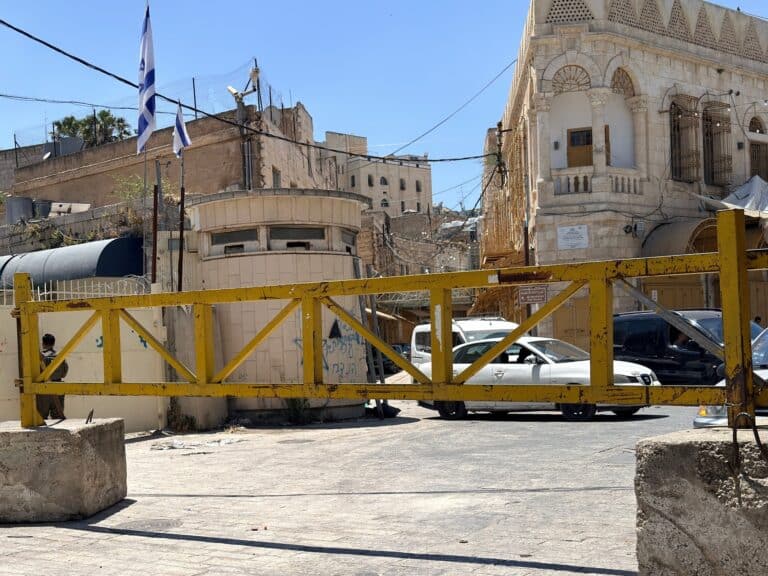
A new gate installed in Hebron reinforces old restrictions. B.O.S refects on life under enclosure in Hebron’s Old City.