Prayers for Peacemakers, 15 April 2020 U.S./Mexico Borderlands

Facebook
Twitter
Email
WhatsApp
Print

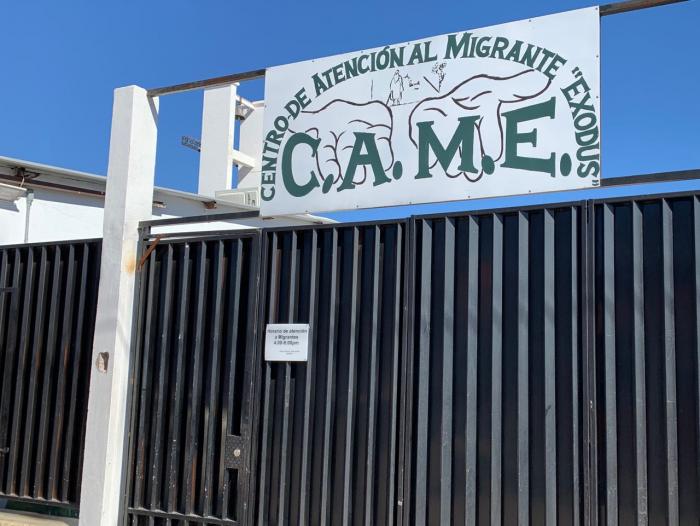
As the U.S. government uses the excuse of the coronavirus outbreak to make the closure of the U.S./Mexican border even more inflexible, please pray for the people in Agua Prieta, Sonora, waiting to request asylum in the U.S. and for the staff and volunteers at CAME—Centro de Atencion al Migrante “Exodus”—the migrant shelter where the asylum seekers are staying.  In the middle of March, U.S. Customs officials stopped accepting asylum requests.  Now the 33 people—mostly Mexican families—who were waiting their turn at the shelter are at CAME indefinitely.  Members of the Sagrada Familia Catholic Church, where CAME is located, have been preparing one meal each day for the families and leaving the food at the door.  The migrants are also cooking other meals for themselves.  Staff members and other volunteers are working two-hour shifts throughout the day.  At this point the U.S. volunteers are not coming to Mexico because they fear spreading the virus.  Please pray that everyone stays calm and focused on the goals of health and safety.
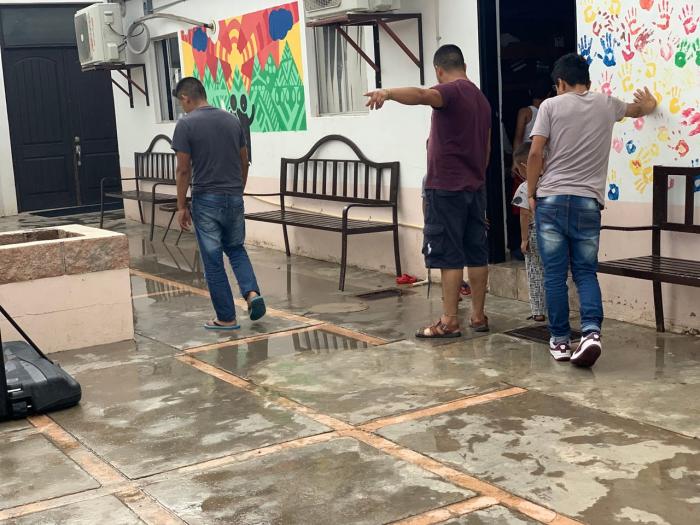

Asylum-seekers at shelter

Subscribe to the Friday Bulletin

Get Ryan’s thoughts and the entire bulletin every Friday in your inbox, and don’t miss out on news from the teams, a list of what we’re reading and information on ways to take action.

This site is protected by reCAPTCHA and the Google Privacy Policy and Terms of Service apply.

Read More Stories

What has CPT accomplished?

I often get asked, “What has CPT accomplished?” This is a fair question as we celebrate forty years, especially when most organisations measure their work

palestine and tunisia flag painted on wall

Travelling doesn’t erase home

What if the most painful displacement is not leaving home, but returning to discover that the place you love is slowly being made to forget you?

A border wall

Walls

After a CPT delegation in the US-Mexico Borderlands, David Leaman joined our team in Palestine. In both places, he came across oppressive dividing walls. Here, he reflects on their role as colonial tools, and the common call of CPT in different parts of the world to dissolve them.

Skip to content