
Is peace on the horizon between the USA and Iran? A Memorandum of Understanding is on the table: a pre-deal while they work out the real deal. It’s too early to say what that will look like. Iran and Trump both send wildly contradictory signals the deal’s specifics. The US declares triumph, while Iranian state media declares their “humiliated enemies” have no choice but to “accept defeat and surrender.” However the dust settles, the only thing we can be sure of is that the region is changed.
This week we carry perspectives from across West Asia. In those first days of war, Israel and the USA claimed they were liberators of the Iranian people. The case for war rested upon a contested question: what do Iranians actually want? In the media, another battle was fought over the right to answer that question. But the range of answers was limited: either you were for the war or for the Islamic Republic; either for the return of the King or for the Ayatollah.
There is a third perspective that rejects these narrow binaries. We interviewed the Iranian Collective for Peace and Justice – Canada, which formed earlier this year, committed to the liberation of the Iranian people from both domestic despotism and global imperialism. We wanted to hear more about the impact of the war on oppressed groups inside the country. We talked about the movement behind the figurehead for regime change, exiled Crown Prince Reza Pahlavi. And we asked about meaningful forms of anti-war action. They remind us that solidarity means standing with people’s movements, not states.
In Iraqi Kurdistan, which shares a long border with Iran, people have been living in the shadow of the war, targeted by Iranian retaliatory strikes. Reporting from the region, Runak Radha gives us a snapshot of life under wartime, where economic instability and fear of the next attack have derailed daily life. “War in your neighbor’s house means war in your own house,” said one resident, “especially if that neighbor has never been good to you or to your fellow Kurds across the border.”
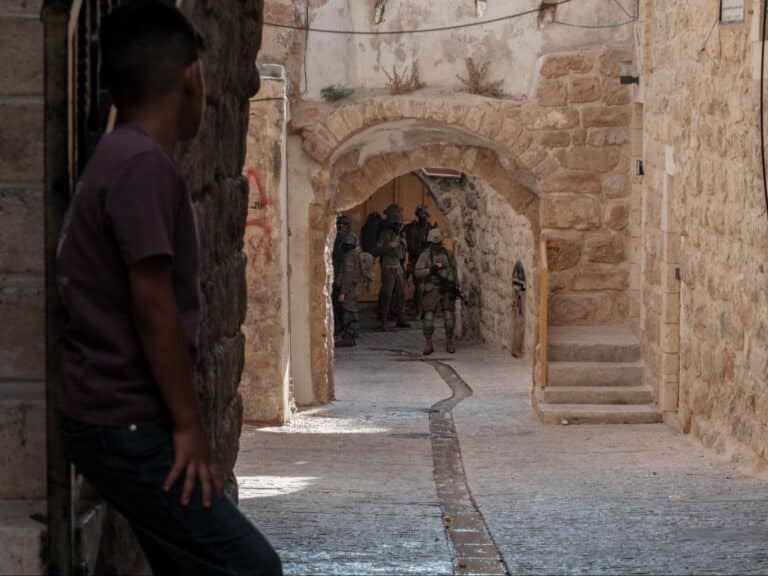
In Palestine, meanwhile, the occupation gathers pace. The Israeli Occupation Forces have erected a new barrier in Hebron’s Old City, choking its Palestinian population: residents must carry their drinking water in tanks down narrow passageways, their businesses are failing, they cannot pray, they aren’t safe. Our teammates in Palestine report that the city is closing down around them. “Behind every closed entrance is a family trying to live with dignity,” they say, “a shop owner struggling to earn a living, or an elderly person trying to reach a place of worship.”
With news of the peace deal, we allow ourselves to hope, though our teammates in Iraqi Kurdistan remind us that they have “learned to hold on to hope with a high degree of worry.” The people of the region have had their future stolen. Peace will come when they take it back.