CPTnet
6 February 2014
SOUTH HEBRON HILLS: Umm al-Kher
facing settler attacks, settlement expansion and a lawsuit from Karmel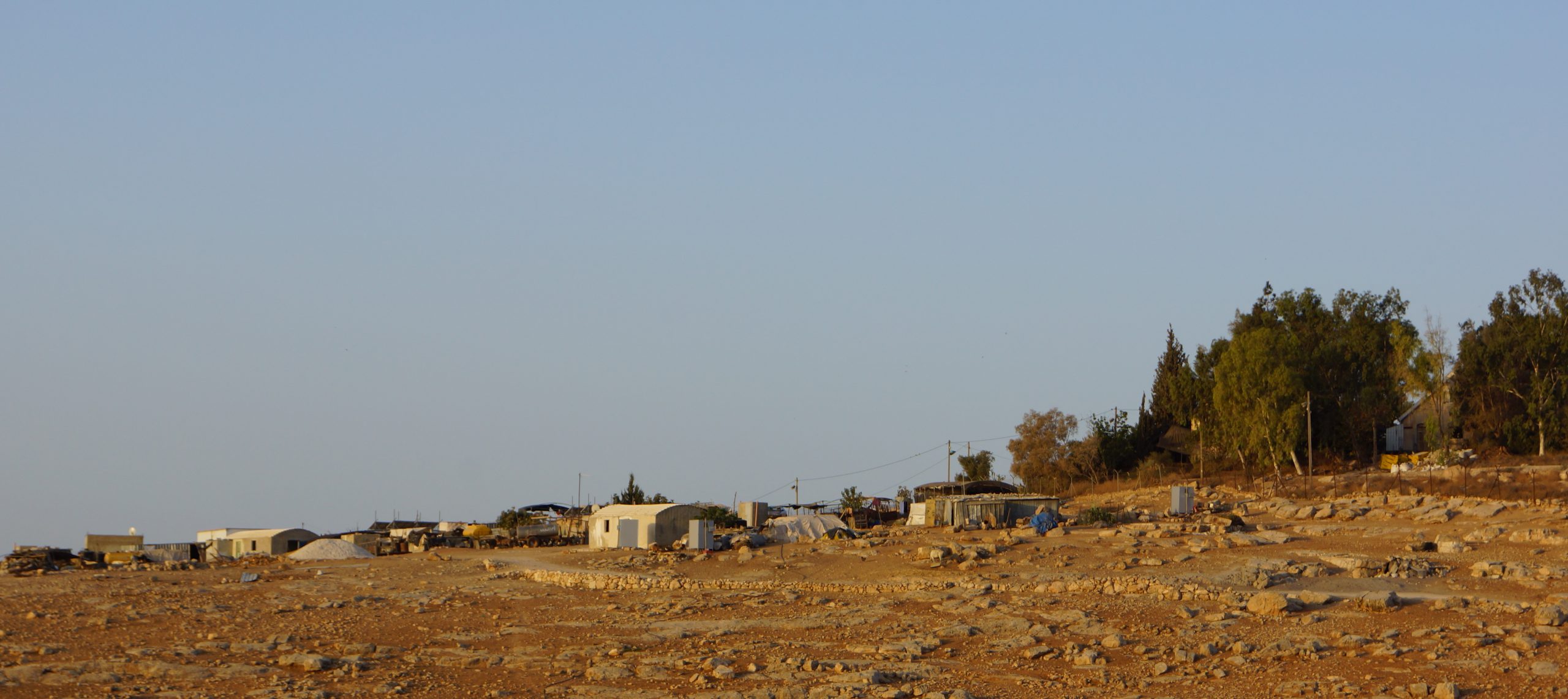
Umm al-Kher is a village of about
135 people from the al-Hathaleen Bedouin who fled from their original lands
near the Israeli city of Arad in during the war of 1948 to the South Hebron
Hills. They subsequently suffered the further bad luck of having the
Israeli settlement of Karmel move next door in the early 1980s. Water
pipes and electricity run through their land to the settlement, but the Israeli
Civil Administration does not allow residents of Umm al-Kher to connect to the
grid. They use solar panels for electricity and firewood, goat and sheep
dung to fuel their stoves. They derive almost all their income from their
flocks.
CPTers went out to Umm al-Kher on 3
February with a representative of the United Nations because of some recent
attacks by Karmel settlers on the villagers. Since men of the village had
received threats of arrest if they got into altercations again with the
settlers, women had been taking the sheep and goats to their grazing land, but
settlers had attacked them as well.
At issue is the route along which
the villagers had been herding their flocks to the grazing field.
Settlers had prevented the shepherds from taking a direct route across a
hilltop, planting trees as a way of staking a claim to it. The shepherds
must take a forty-minute detour if they cannot cross the hilltop, which is
harmful to their pregnant ewes; one pregnant ewe had died after making the
longer walk.
The community’s taboun oven has
also long been a target of the Karmel settlers’ anger, because they object to
the smoke emitted when the residents of Umm al-Kher are baking bread. The
settlers have tried to destroy the taboun several times and are currently suing
the community for 100,000 shekels for the damage they say the smoke is causing
to their health. As the U.N. representatives were discussing options that
might make the taboun more acceptable, members of Ta’ayush, an Israeli activist
group, strongly backed the villagers, who did not want to switch to a source of
fuel for which they would have to pay. The Ta’ayush activists asserted
that the taboun had been there long before Karmel had, and Umm al-Kher should
not have to make compromises to accommodate the settlers.
Despite these difficulties, the
residents of Umm al-Kheir have decided they do not need internationals living
in their village all the time, but rather would prefer they be available on an
on-call basis. The court has
recognized their right to access their grazing lands and they do not believe
that the lawsuit against the taboun will succeed. However, when one looks
at its dwellings made of recycled materials and compares them to the expanding,
western-style housing of Karmel, its situation seems precarious indeed.